
The back-of-house platform for bakeries and bread makers
Base doughs and sub-recipes, yields and baking loss, stock with batches and expiry dates, purchasing and analytics by product line, all in one cloud platform.
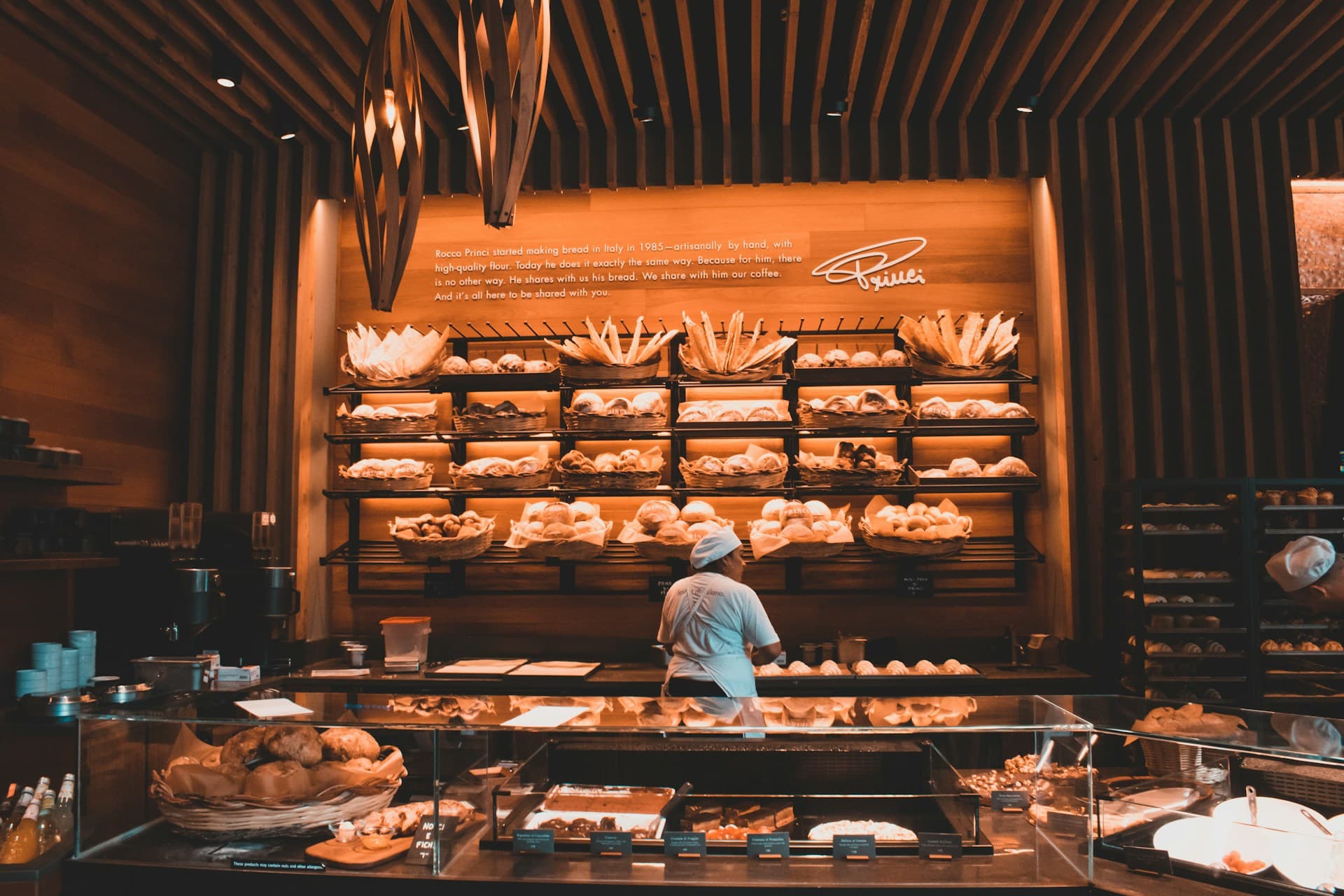
Organised production with yields and costs under control
Qubi organises bases, doughs, bakes and product lines so nothing gets lost between the lab and the shop, even when the day starts at four in the morning.
Costing takes yields, weight loss, portioning and operating costs into account, which is what it takes to work on a real margin and a defensible shelf price.
Stock, batches, purchasing and analytics cut down on stock-outs, impulse buying and the gap between what you planned to bake and what you actually sold.
Doughs and sub-recipes
Keep bases, pre-ferments, fillings and finished goods linked together, so every production line starts from data that is already in order.
Yields and baking loss
Transformation is where the money moves: baking, portioning and weight loss all hit the cost, and they belong inside the margin rather than beside it.
Counter sales
See which lines actually earn, across bread, sweet, savoury and seasonal specialities, and which ones absorb too much labour or raw material.
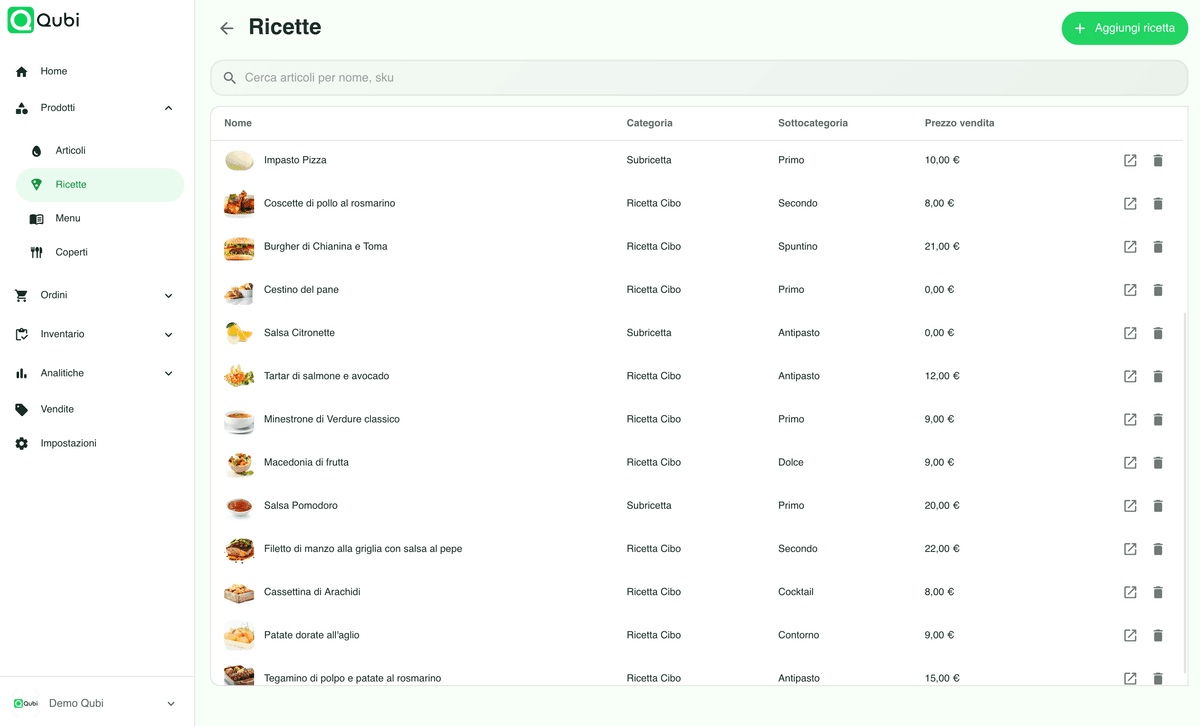
Bills of materials for bases, doughs and product lines
Define sub-recipes, base doughs and variants with detailed components, and keep price lists, portions and yields updated centrally between the lab and the shop.
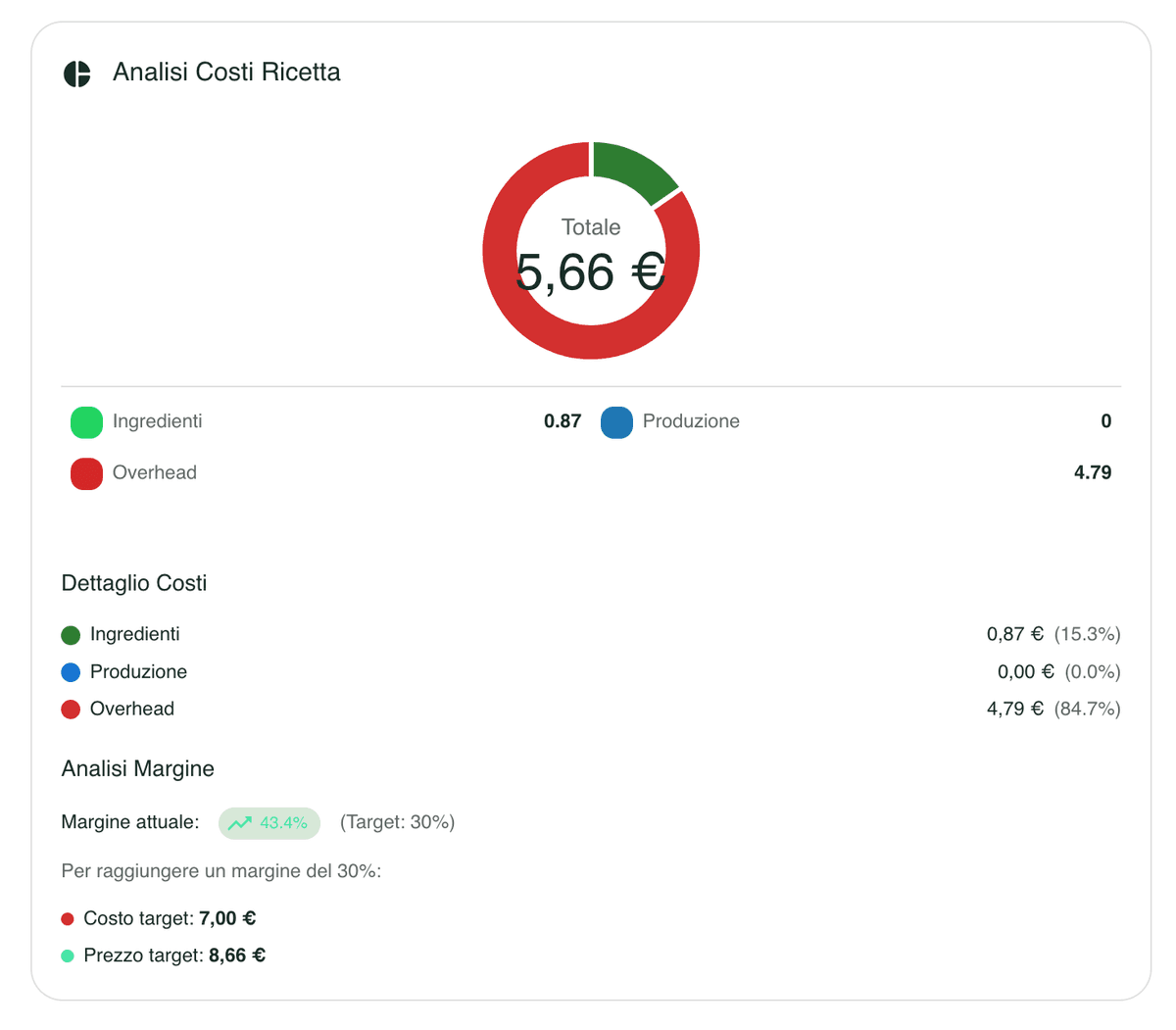
Baking loss, portioning and margins that hold up
Calculate yields and portioning on the real transformation, add direct and operating costs, and land on selling prices that match your targets rather than your instinct.
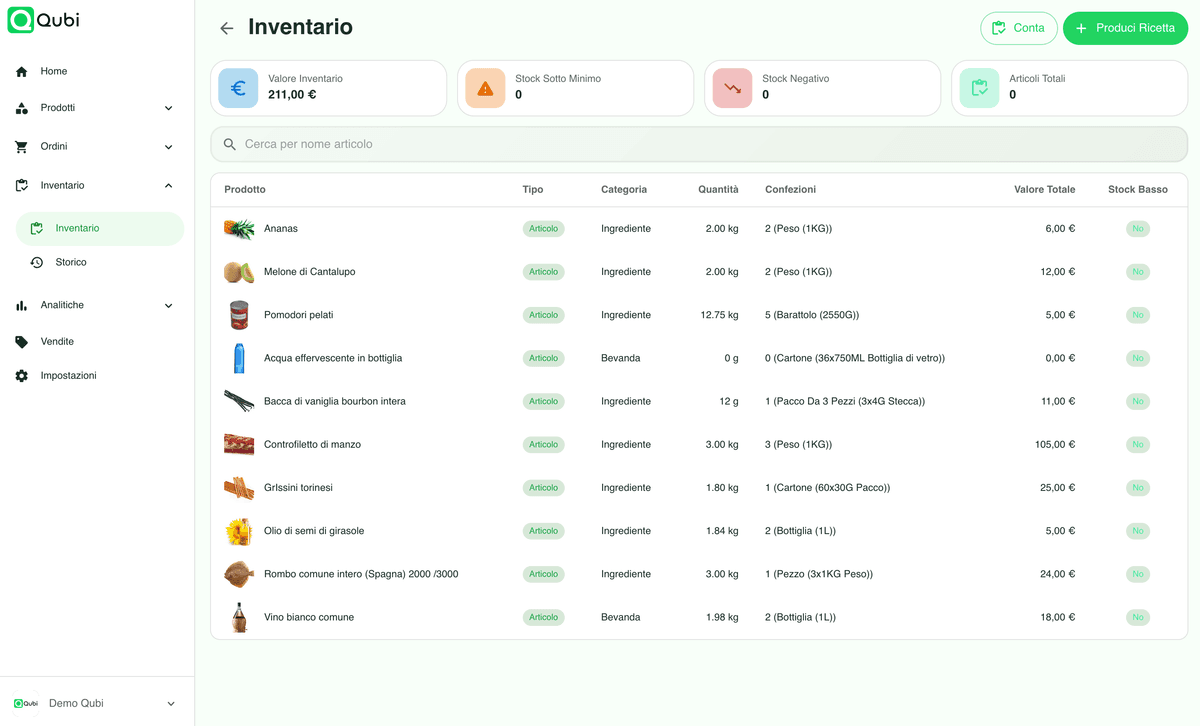
Batches and expiry dates for flour and raw materials
Hold stock by batch with expiry dates and FIFO consumption, record movements and waste, and run physical counts with indicators that are readable at a glance.
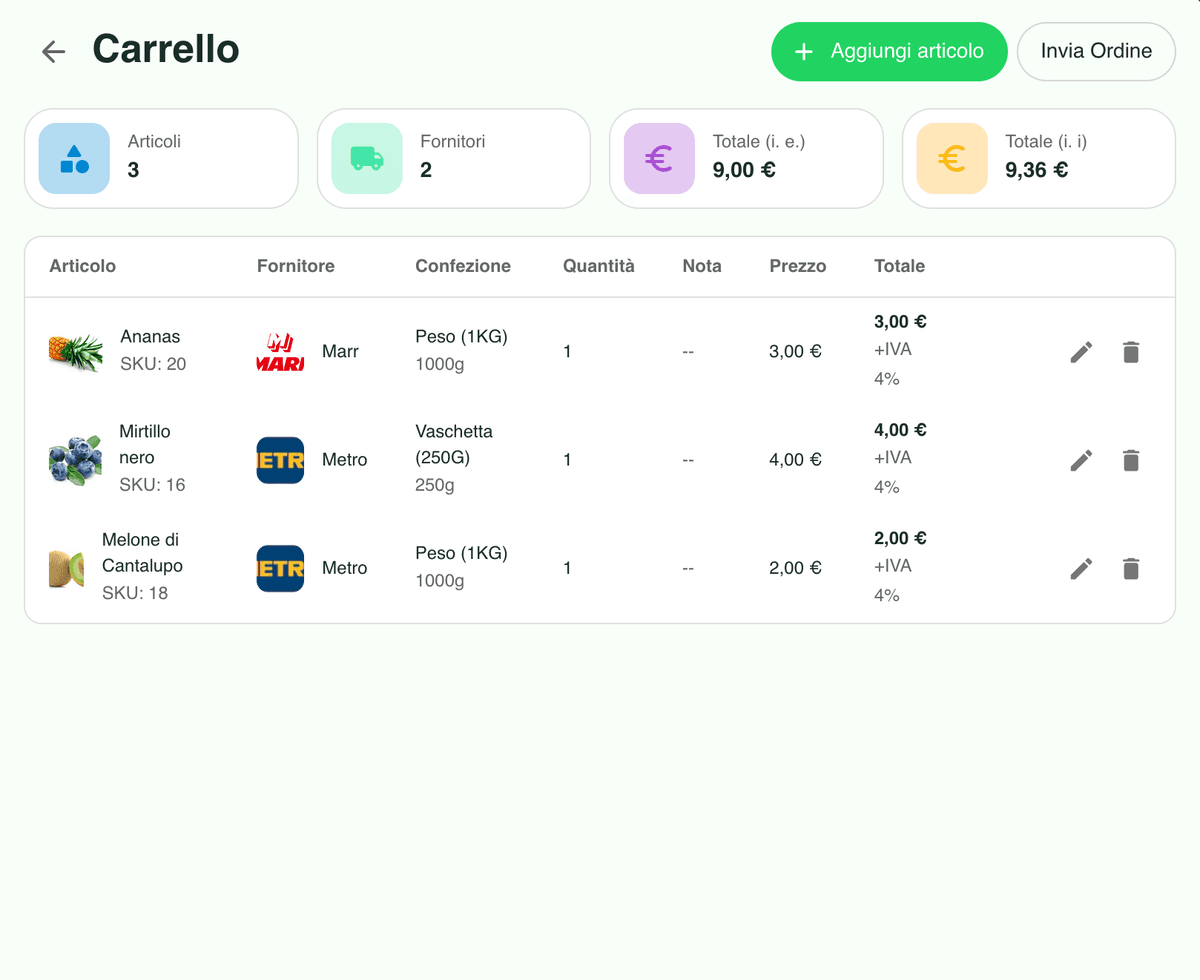
Carts, price comparison and orders sent by email
Compare prices and terms across your mills and wholesalers, build a cart and send the purchase order by email with the full delivery details.
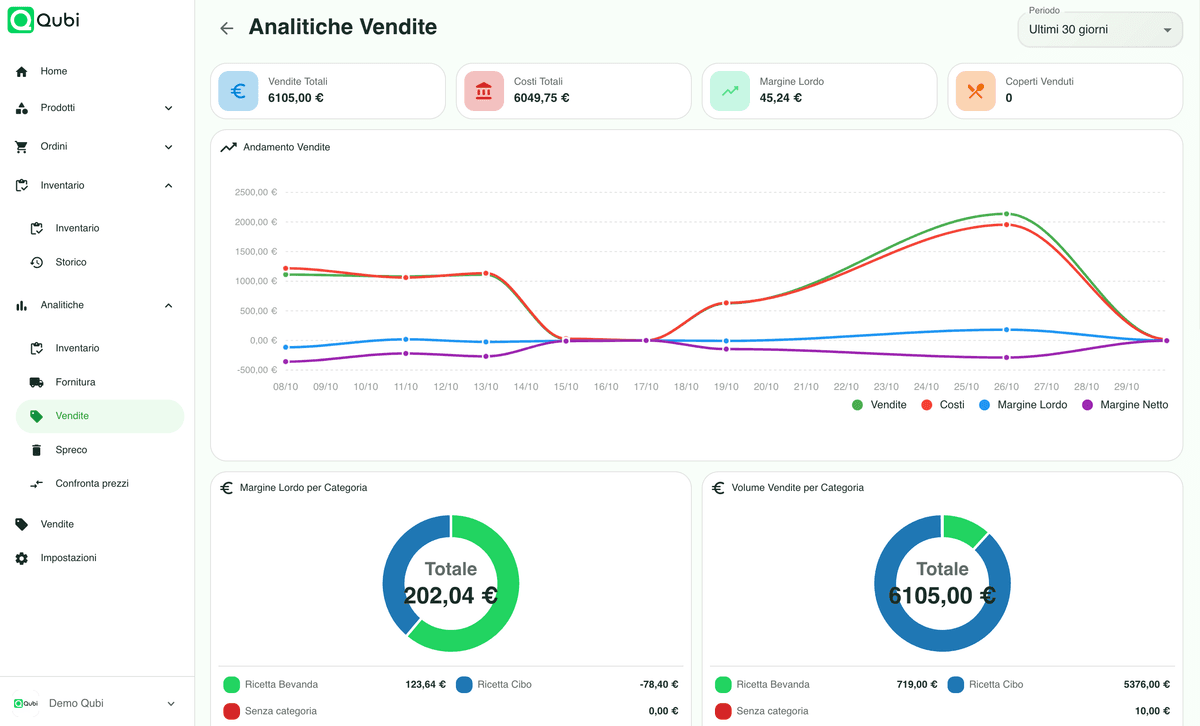
Sales and margins by line, shift and season
Dashboards and reports show KPIs on sales and margins by product line, shift and period, with the trends you need to decide the assortment and the promotions.
Why bakeries choose Qubi
A cloud platform puts the lab, the counter and the buying side in order, which removes manual steps and stops the numbers from scattering across notebooks.
Yields, weight loss, costing and purchasing become readable, so production and restocking can both be planned properly instead of guessed at.
Analytics by product line and season show where it pays to push, where to cut back and which parts of the range need repositioning.
Bakery software FAQ
Practical answers about doughs and sub-recipes, yields and portioning, batches and expiry dates, purchasing and analytics.
Can I manage base doughs and sub-recipes?
Yes. Bases, pre-ferments and finished goods are built from components, with price lists and yields updated centrally so everyone on the team works from the same version.
Does the system calculate yields and baking loss?
Yes. Baking loss, portioning and operating costs are all part of the cost calculation, so the margin on a loaf reflects the weight that actually reaches the counter.
Can I track batches and expiry dates for flour and other goods?
Yes. Stock is held by batch with expiry dates and FIFO consumption, which keeps counts accurate, supports traceability and reduces the amount that goes out of date on the shelf.
How does purchasing work?
You compare prices and terms across your mills and wholesalers, build a cart and send the purchase order by email with the full delivery details, so restocking follows the production plan.
Are there analytics on sales and margins?
Yes. Dashboards and reports show KPIs by product line, shift and period, with trends that help you decide the assortment, the promotions and how much to bake tomorrow.
Can I print labels with allergen information?
Yes. Labels can carry the product name, the batch, the date and the ingredient and allergen information required for prepacked food, which covers bagged bread and boxed goods.