
Ghost kitchen software for multi-brand delivery
Menus and components centralised for every virtual brand, cost and margin per concept, shared prep, packaging costs and stock that stays accurate while several brands share the same line.

Several brands, one operation, numbers you can separate
Virtual brands, menus and price lists are managed from one operational centre, so launching or retiring a concept does not mean duplicating files, specs and manual updates.
Cost is read by brand, by category and by component, which is how you find out which concepts genuinely hold their margin and which ones only look busy on the order screens.
Prep, stock and purchasing stay in sync even when brands share bases, sub-preparations, packaging and the same kitchen team.
Different concepts, one operation
Each brand can have its own menu, variants and price list while staying connected to the same kitchen, the same components and the same purchasing.
Shared components without the chaos
Bases, sauces, doughs and sub-preparations are reused across brands, with a clear reading of how much each concept consumes and what it costs.
Margin read per concept
See which brands drive volume, which absorb kitchen time and where to act on portions, prices or purchasing before a concept starts costing you money.
Menus, components and price lists managed centrally
Define dishes, variants and prices for every virtual brand from one place. Publish an update once and keep concepts consistent, with prep and service working from the same specs.
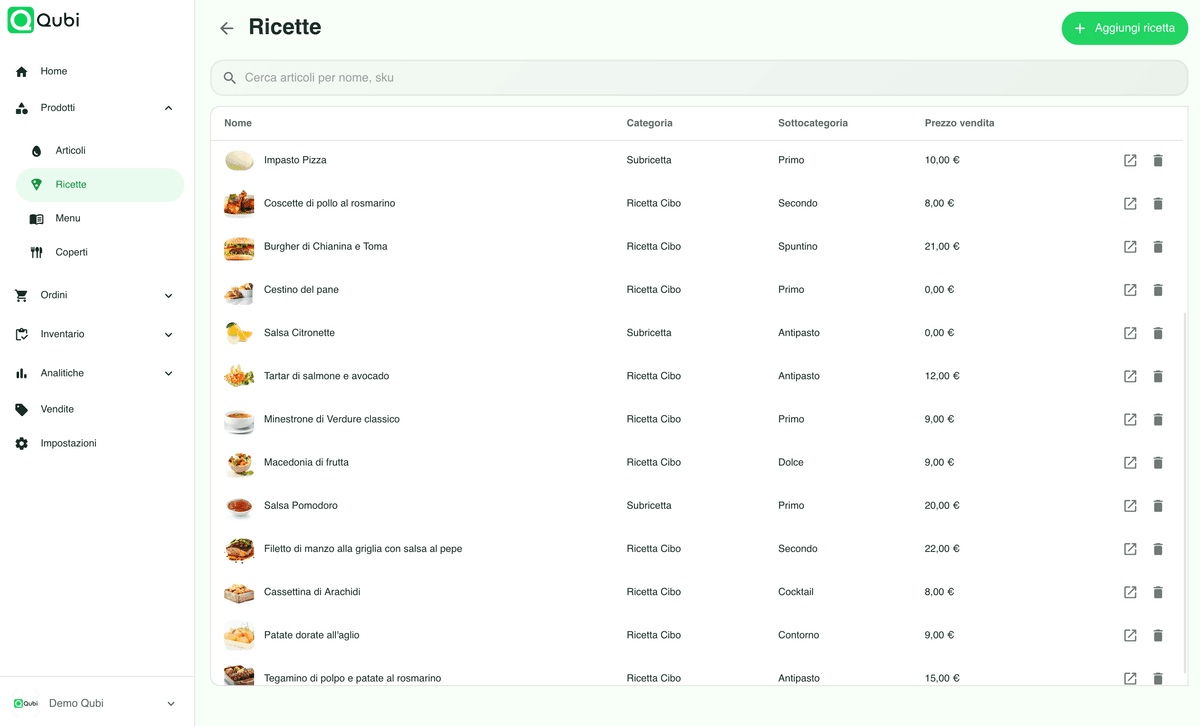
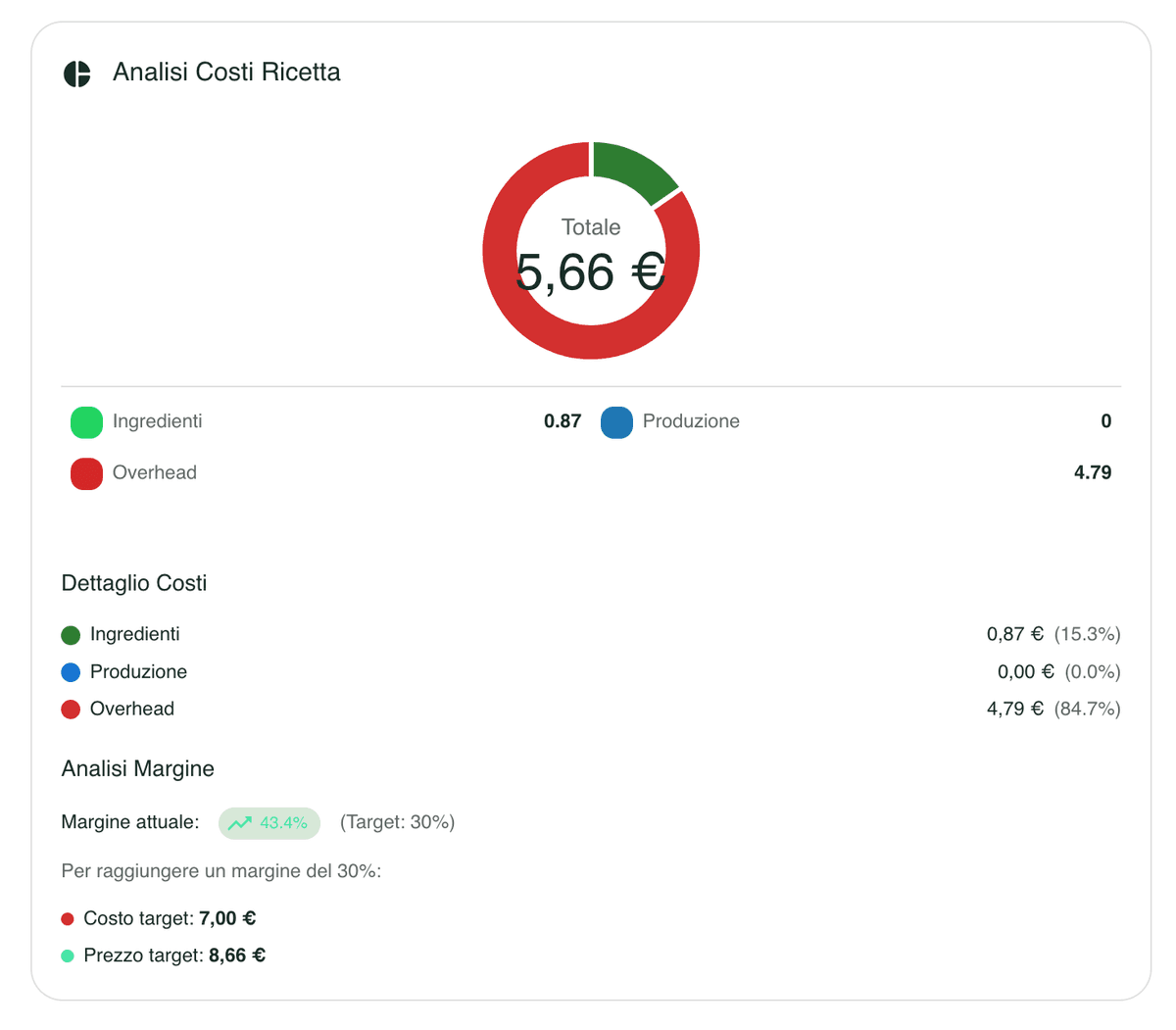
Full cost and margin for each concept and category
Direct and indirect costs are attributed per brand and category, so you can price each concept properly and watch what happens to its margin when purchase prices move.
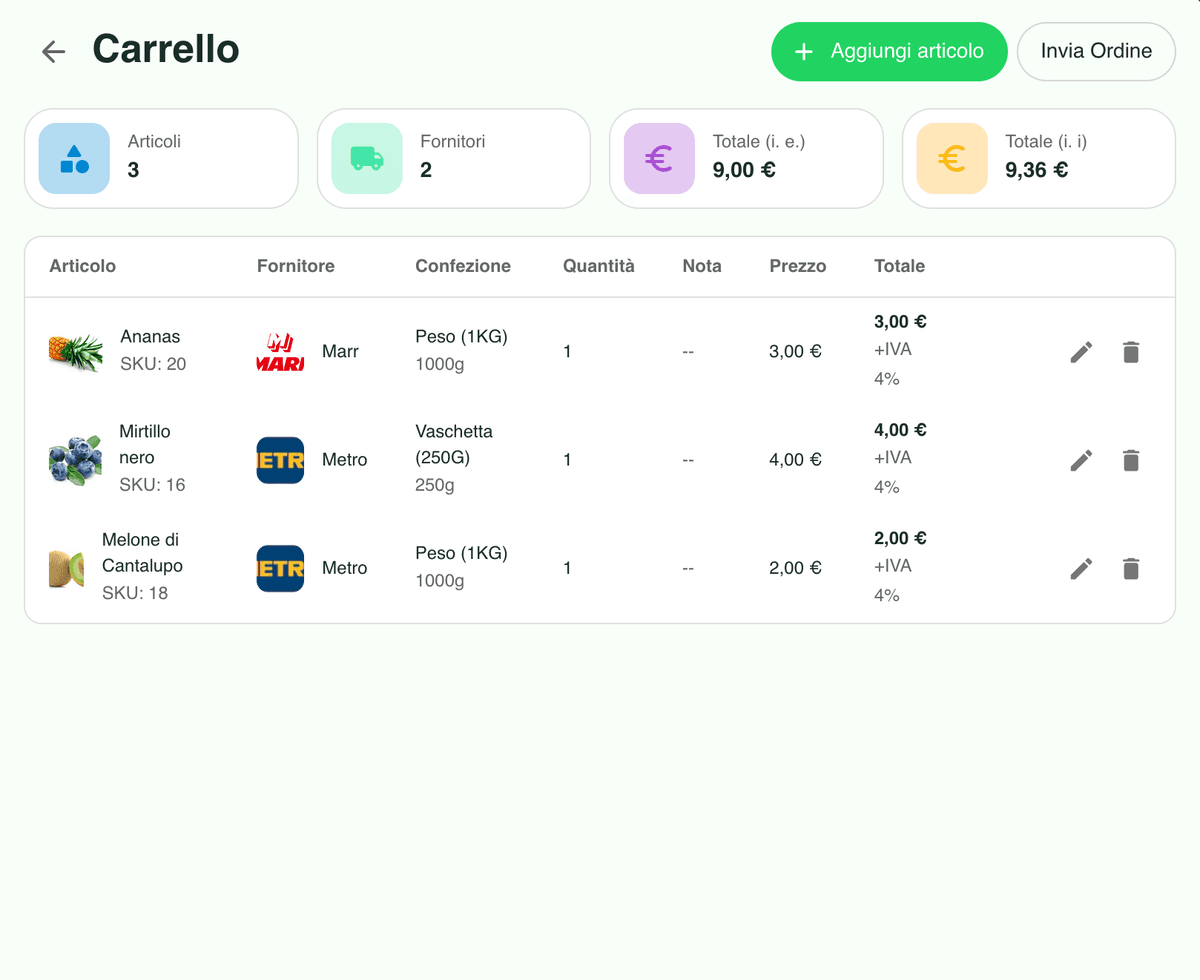
Packaging and replenishment you can actually read
Delivery lives on packaging as much as on food. Compare suppliers, keep boxes, bags and cutlery in the same catalogue as ingredients, and include their cost in the price of every order you send out.
Production batches and shared components under control
Plan prep for several brands with batch sizes and standard yields, then track stock, movements and consumption of shared components to keep stock differences small.
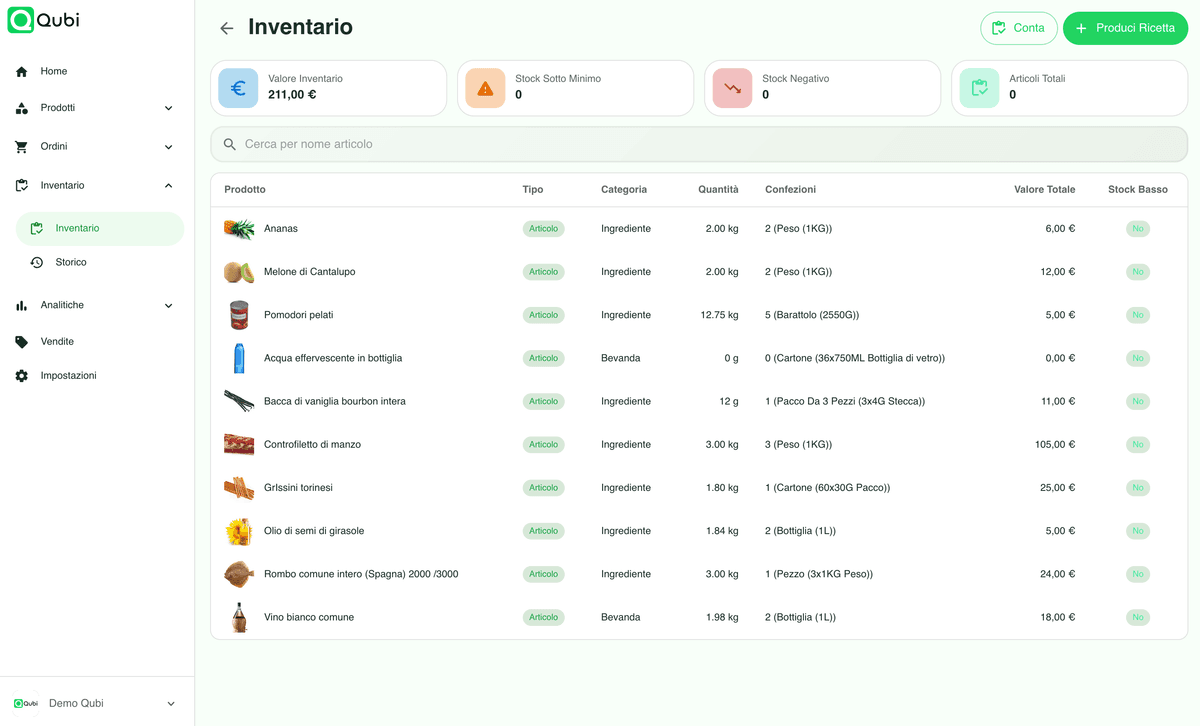
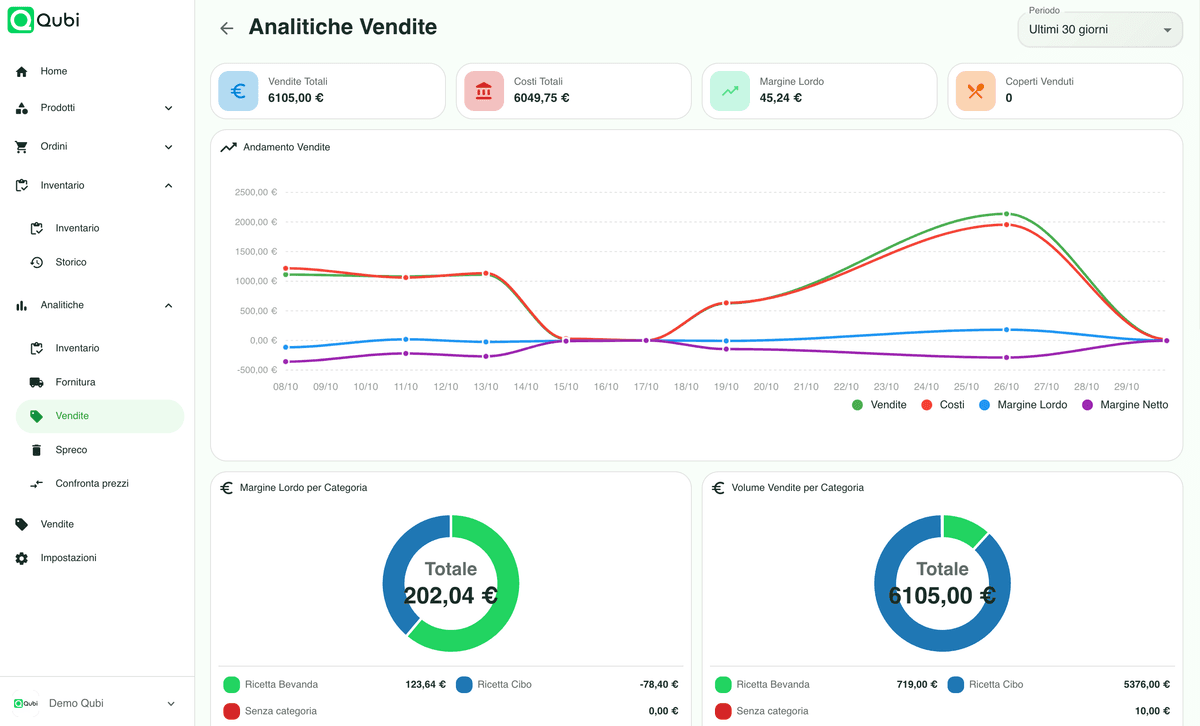
Volume, margin and leakage for every concept
Dashboards and reports show KPIs per brand and consolidated: sales, margins, waste and performance by period and category, so you know where to grow and where to cut.
Why a multi-brand kitchen needs one shared back office
Running four brands out of one kitchen is only cheaper if the back office is shared. Otherwise every concept adds its own spreadsheets, its own supplier list and its own quiet mistakes.
Cost per brand, shared prep and orderly stock make the relationship between volume, operating cost and real profitability visible at last.
Analytics tell you whether you are building a healthy portfolio of concepts or whether one of them is eating the kitchen without paying for it.
Ghost kitchen software FAQ
Multi-brand management, costing, prep, stock, purchasing and analytics
Can I run several brands with separate menus and prices?
Yes. Each virtual brand can have its own dishes, variants and price list, published centrally while sharing the same kitchen catalogue underneath.
Is cost calculated per brand?
Yes. Cost and margin are broken down by brand and category, including direct and indirect costs, so you can set prices per concept with real numbers.
How do shared preparations work across brands?
Bases and sub-preparations are defined once with their yields, produced in batches and consumed by whichever brand uses them, with stock and cost following automatically.
Is packaging part of the cost?
Yes. Boxes, bags, lids and cutlery sit in the same catalogue as food, so the cost of an order for delivery includes what it is packed in.
Can I compare performance between concepts?
Yes. Reports show sales, margins and waste per brand and consolidated, with filters by period and category to support operational decisions.