
Multi-site software for restaurant chains and franchises
Menus and prices from head office, food cost measured site by site, shared supplier catalogues, roles that match your structure and reporting that consolidates the whole group.
A group is only as consistent as its worst site
Every network drifts. A portion grows here, a local supplier appears there, a price stays unchanged after a cost increase, and the group average hides all of it.
Qubi holds the standard centrally, dishes, preparations, portions and prices, and gives each site its own stock, purchasing and results measured against that standard.
Head office then works with comparable numbers instead of anecdotes: the same dish, the same rules, and a clear view of which kitchens are holding the line.
What a multi-site group gets out of Qubi
One standard, many kitchens
Dishes, preparations, portions and selling prices are defined once at group level and land in every site, so a rollout is a decision rather than a project.
Site against site, honestly
The same dish costed on the same rules across the network shows which kitchens hold their margin and which ones drift, and by how much.
Permissions that match the org chart
Site managers, area managers and head office see and change different things, from ordering limits to price lists, without informal workarounds.
Define the dish once, roll it out everywhere
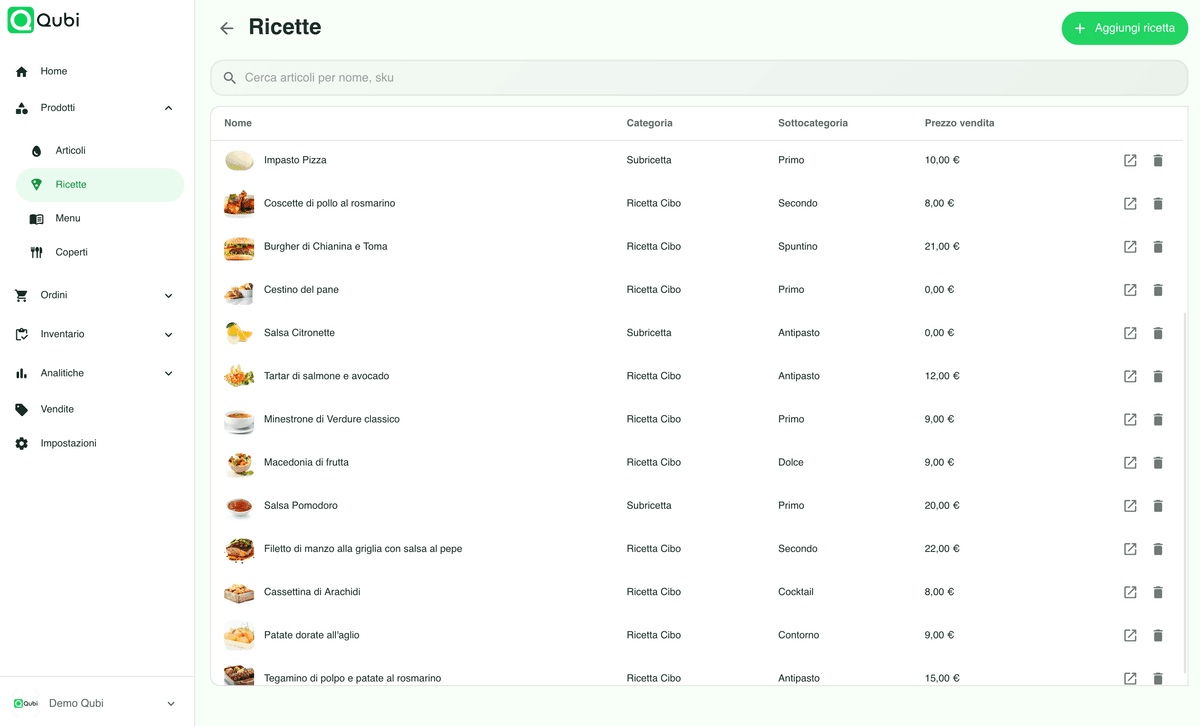
Preparations, quantities, steps, photos and selling prices are maintained at group level and distributed to every site. New openings inherit the full standard on day one, and a menu change stops being a month of phone calls.
Sites, departments and cost centres in one structure
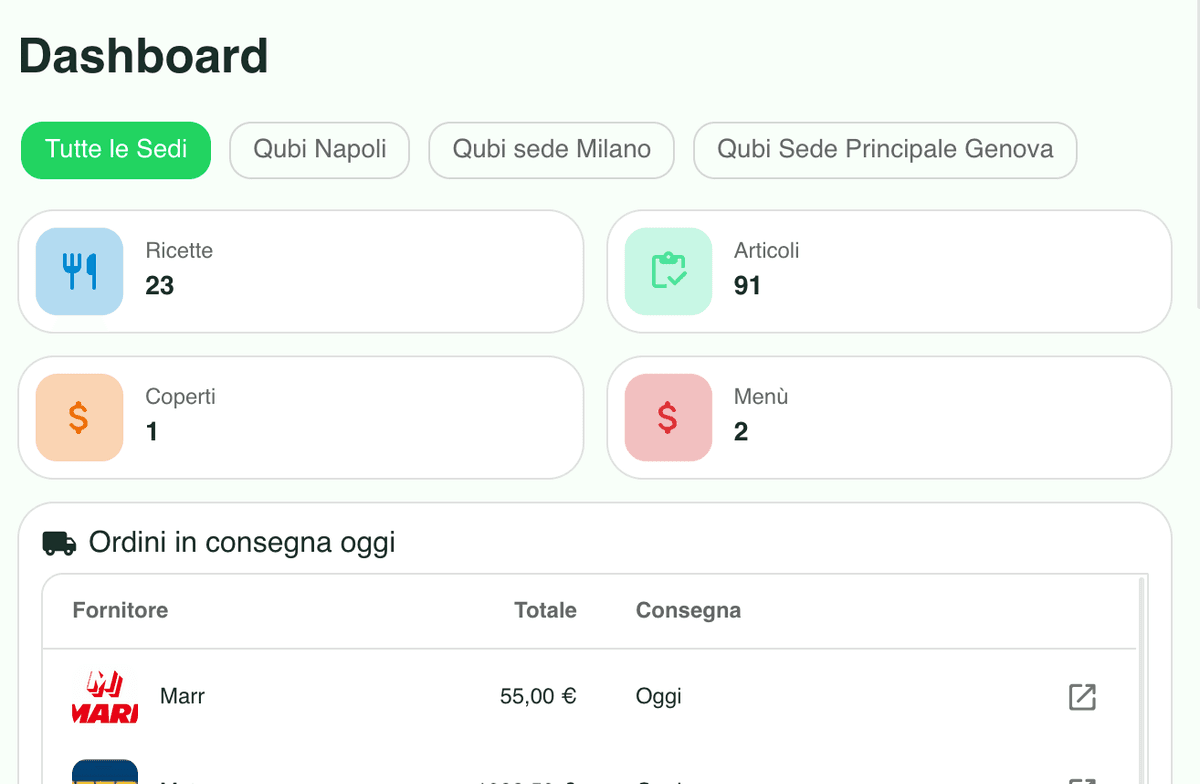
Set up several businesses and departments, such as dining room, bar and delivery, each with its own price list and shared operating procedures. Reporting works at unit level and consolidates upwards without a manual merge at month end.
Governance over who can change what
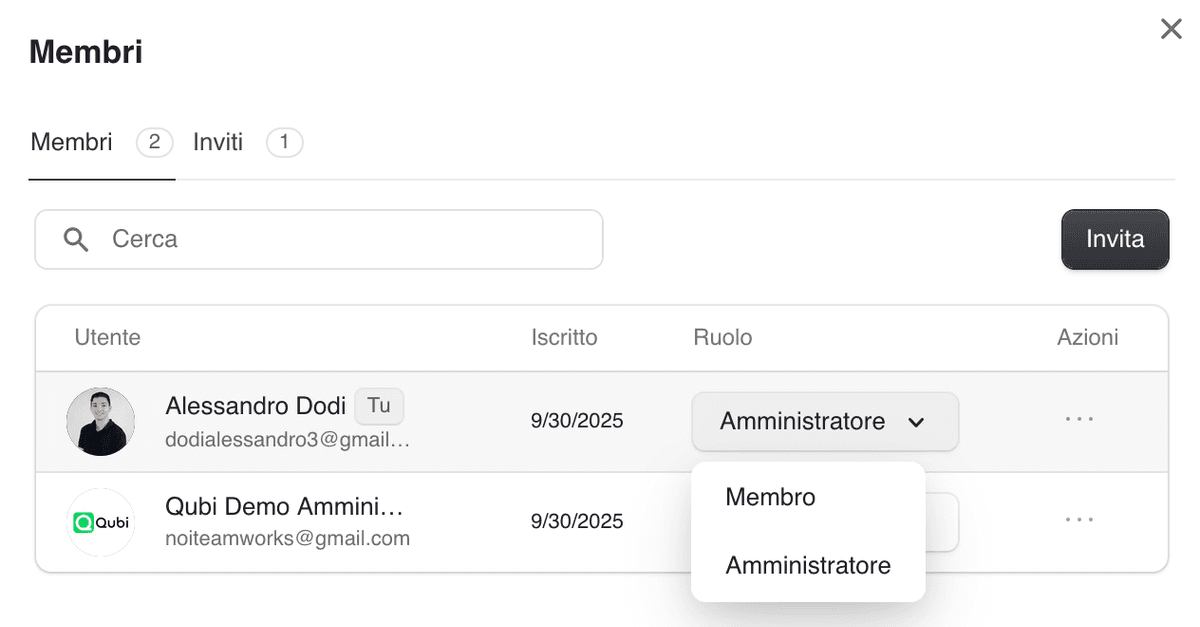
Roles by site, area and group control access to ordering, price lists, stock, reporting and configuration. The people who run a service get the tools they need, and the standards that protect the brand stay under central control.
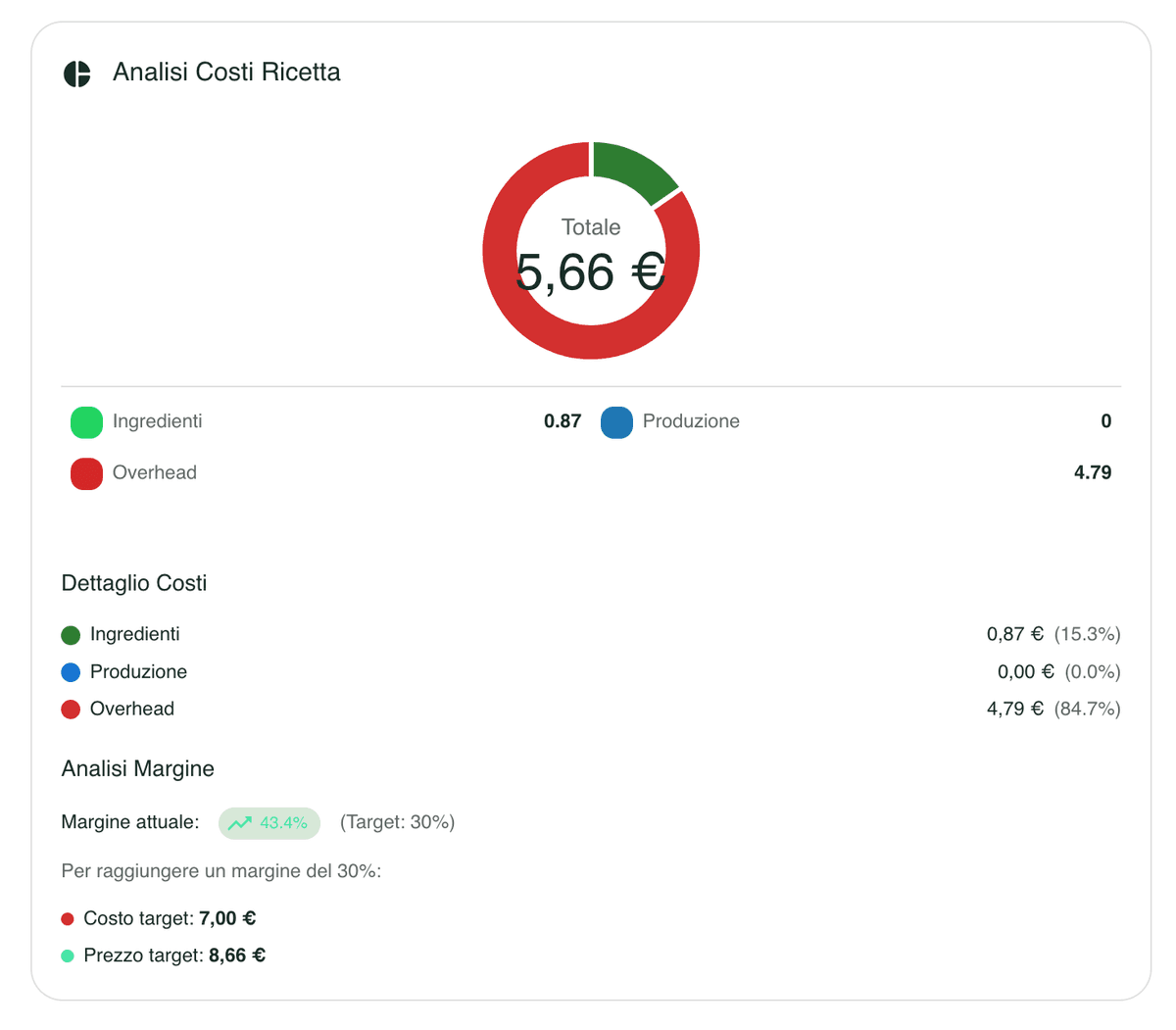
The same dish, compared across the whole network
Direct and indirect costs are applied per site, so each location shows a real margin, and the group sees the spread. When one kitchen costs a dish twenty per cent more than another, you find out from a report rather than from a bad quarter.
Central buying power, local deliveries
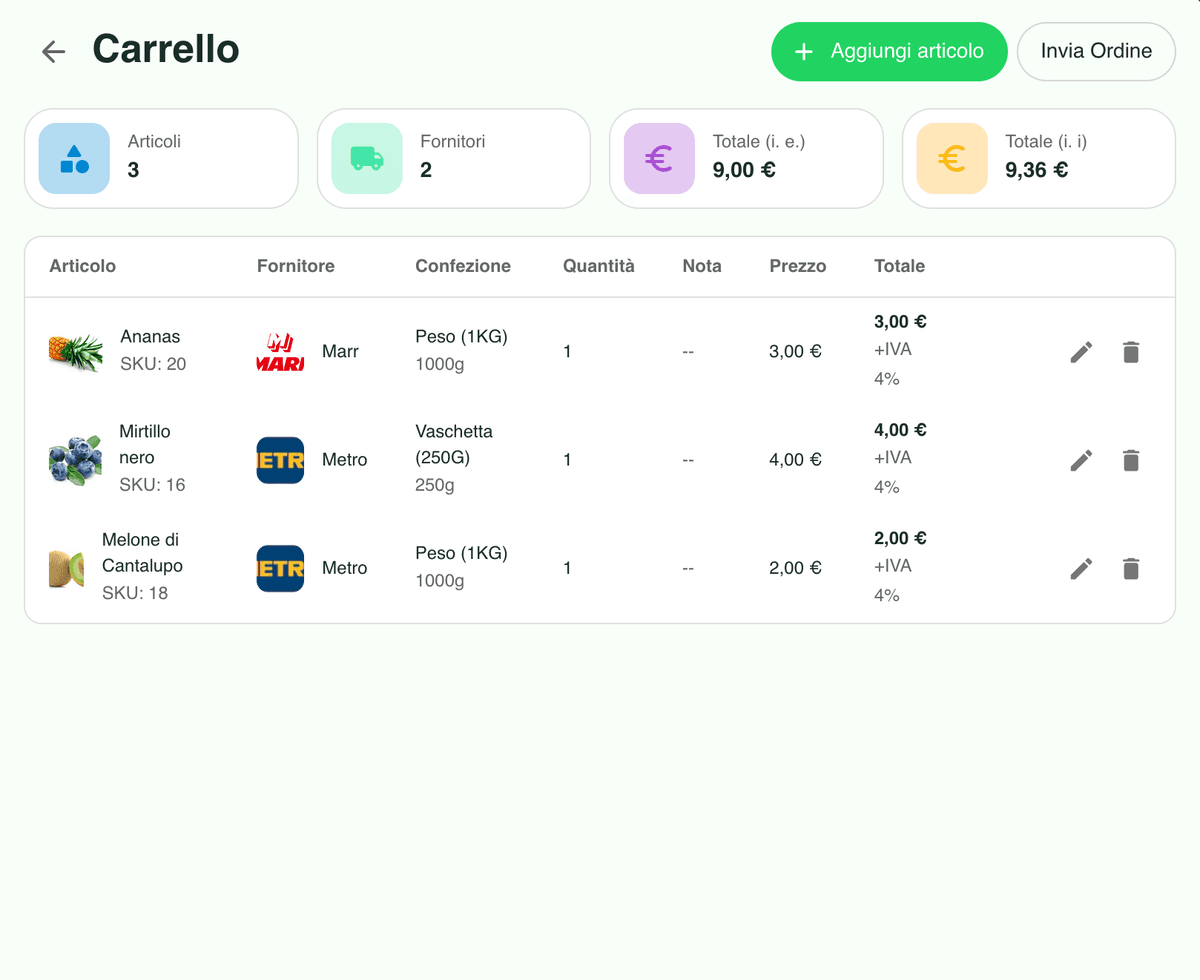
Share supplier catalogues and negotiated prices across the group while each site builds its own cart and receives its own deliveries. Stock transfers between sites are supported, and price increases surface early enough to be renegotiated.
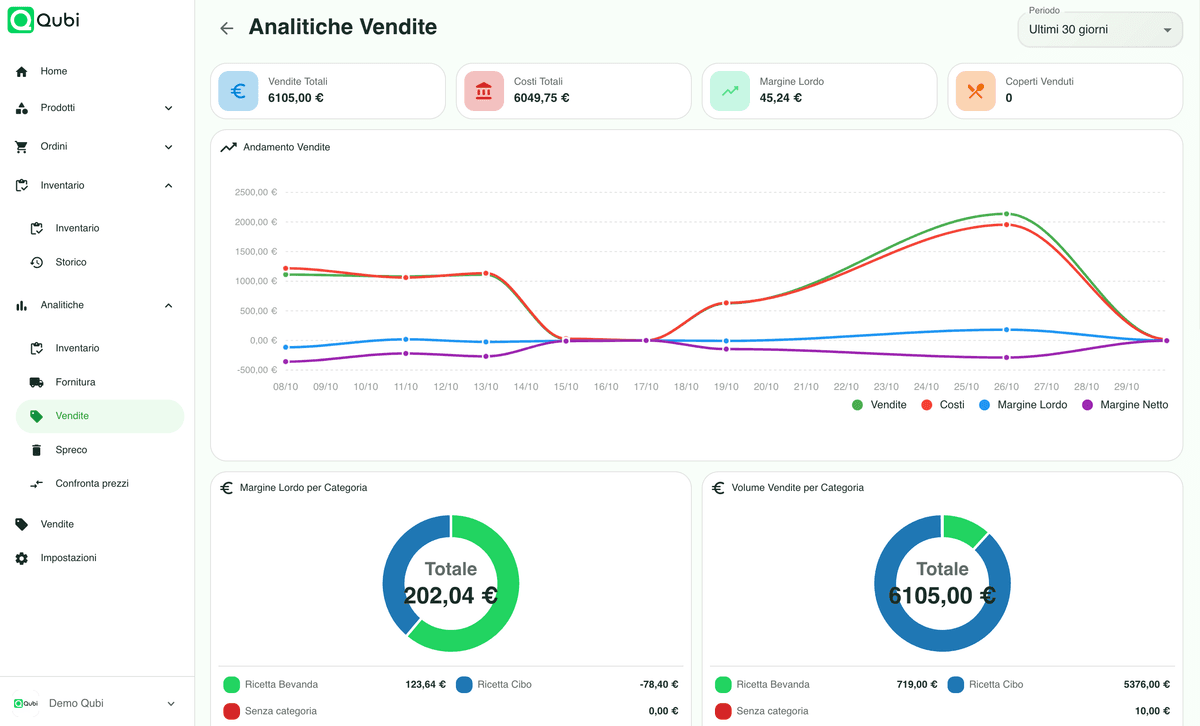
Per site, per area, and consolidated
Sales, margins, stock value and waste read at any level of the structure. Best and worst performers, seasonal patterns and category trends come from one dataset, so a network review does not start with three people rebuilding a spreadsheet.
Why growing groups centralise the back office
Expansion multiplies small inconsistencies. A shared standard means the tenth opening runs like the first, rather than inventing its own way of working.
Purchasing is where scale should pay off. Shared catalogues and visible price changes turn a group's volume into an actual negotiating position.
Comparable data ends the argument about whose numbers are right, and moves the conversation on to what to do about them.
Restaurant chain software FAQ
Practical answers about central menus, roles, per-site costing, shared purchasing and franchises.
Can head office push menus and prices to every site?
Yes. Dishes, preparations, portions and selling prices are maintained centrally and distributed to the sites, so a change reaches the whole network at once instead of being re-entered locally with small differences each time.
How are roles and permissions handled across the network?
You set roles by site, area and group, with granular permissions over ordering, price lists, stock, reporting and configuration. A site manager can run the day to day without being able to alter the standards the group depends on.
Is food cost calculated per site or for the group?
Both. Each site carries its own direct and indirect costs, which gives a genuine local margin, and the same data rolls up into group figures. That lets you compare a dish across sites and against the network average.
Can sites order separately from a shared catalogue?
Yes. Supplier catalogues and negotiated prices are shared, while carts, delivery details and order histories stay per site. You keep central buying power without forcing every order through head office.
Does it work for franchises as well as owned sites?
Yes. Franchisees can be given their own space with the group standards applied and their own commercial data kept separate, so head office sees compliance and performance without exposing one operator's numbers to another.
Does it integrate with our POS?
POS integrations are on the roadmap and some are already in place. In the meantime, sales data can be imported and exported, so consumption, margins and stock depletion can still be reconciled across the network.