
A food database that names its sources
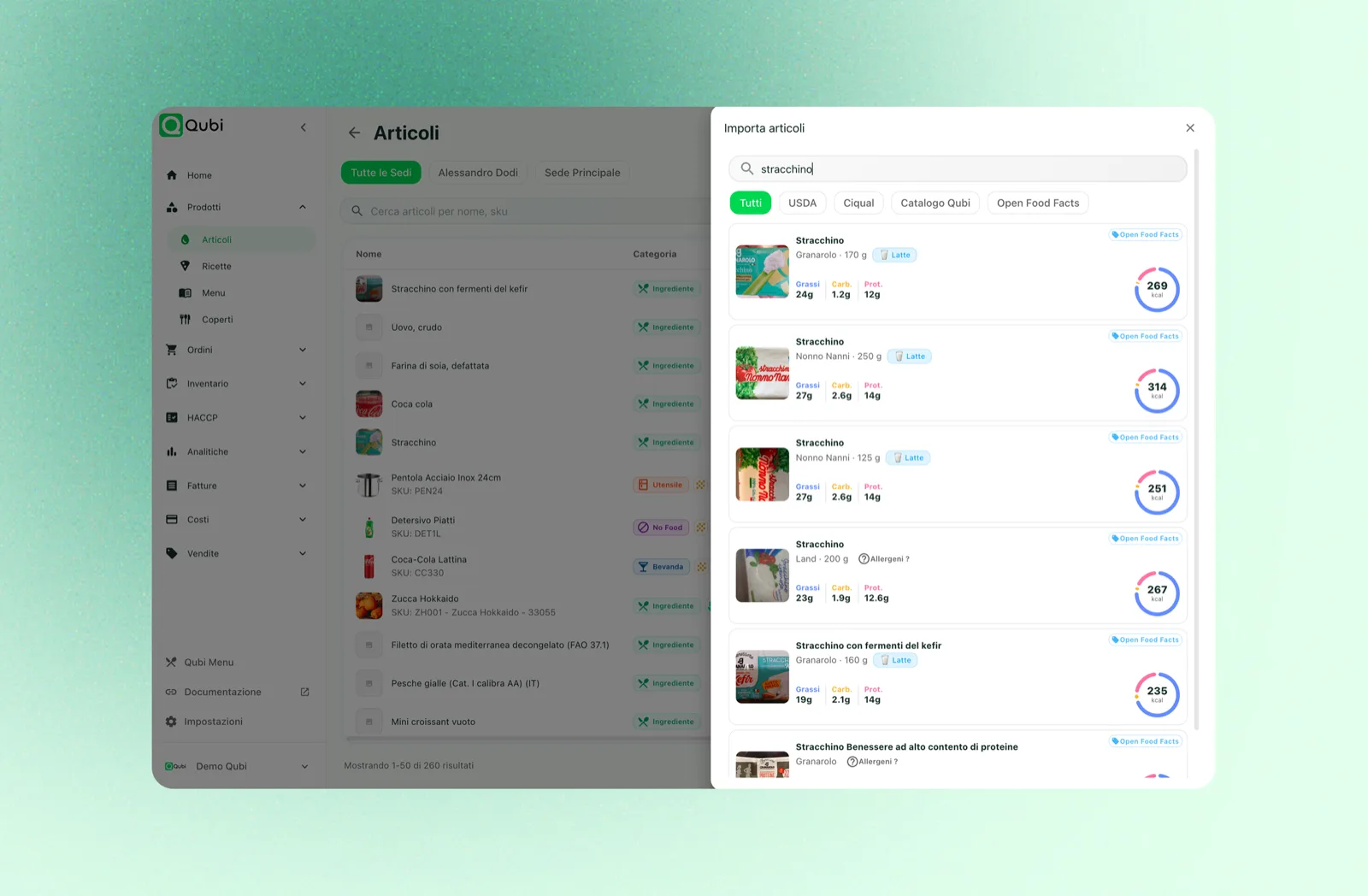
Qubi searches 11.341 lab-analysed foods from the official USDA and ANSES databases, plus 4.7 million packaged products recognised by barcode. Search a name and the article arrives ready, with the origin of every value recorded alongside it.
The catalogues Qubi searches
Qubi searches 11.341 lab-analysed foods from the official databases, plus the packaged products Open Food Facts recognises by barcode. Every food keeps up to 31 nutrients, and every article records the source it came from: that is the difference between a figure that survives an inspection and a guess.
7.793
USDA SR Legacy
United States Department of AgricultureThe long-standing composition table of the US government: foods analysed in a laboratory, from raw ingredients to prepared dishes.
3.185
Ciqual
ANSES, the French food safety agencyThe French reference database, European by design: it declares salt and uses the energy values set out in Regulation (EU) 1169/2011.
363
USDA Foundation Foods
United States Department of AgricultureThe most recent and most detailed USDA analyses, with the provenance of every single sample.

4,7 milioni
Open Food Facts
Non-profit association, contributor dataPackaged products with their barcode: this is where branded goods live, the ones composition tables never carry.
What a real food database changes
Measured, not guessed
Foods in the official tables are analysed in a laboratory. A measured value survives an inspection; an estimate does not.
Barcode scanning
Point the camera at the pack and the article fills itself in: name, brand, nutrition values and the allergens the manufacturer declares.
Provenance kept
Each article records whether its values came from a composition table, a manufacturer label, your own entry or an estimate.
Allergens included
Packaged products also carry the allergens listed in Regulation (EU) 1169/2011, ready for your allergen book.
One search, every catalogue
A single search queries all the sources at once, and you can narrow it to one catalogue when you know what you are after.
No extra cost
The sources are public and free. No subscription to an external database, no file to import.
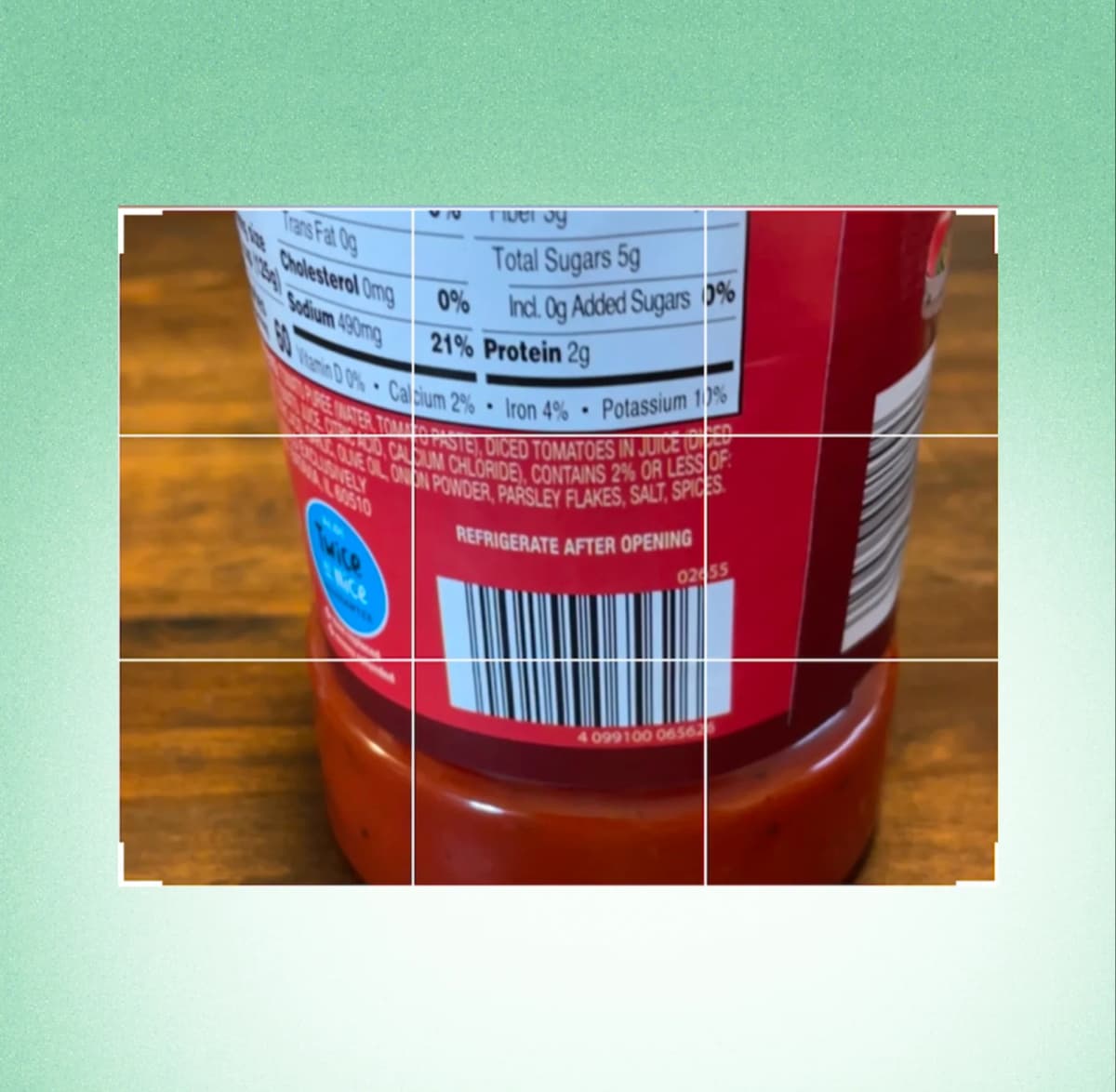
Point the camera and the article fills itself in
The camera reads the barcode and Qubi pulls in the name, brand, nutrition values and the allergens the manufacturer declares. Nothing to retype.
Four catalogues, one search
USDA and Ciqual for lab-analysed foods, Open Food Facts for packaged products, and the Qubi catalogue for the names kitchens actually use.
Domande frequenti
Trova risposte alle domande più frequenti sul nostro software e le sue funzionalità.
Where does Qubi's nutrition data come from?
From three official composition tables: USDA SR Legacy and USDA Foundation Foods, published by the United States Department of Agriculture, and the Ciqual table from ANSES, the French food safety agency. These are foods analysed in a laboratory, not estimates. For packaged goods Qubi also queries Open Food Facts, which carries the label declared by the manufacturer.
How do I know whether a value is reliable?
Every article records where its data came from: composition table, manufacturer label, manual entry or estimate. Only the first three can be declared on a label under Regulation (EU) 1169/2011, and Qubi warns you before printing when the nutrition panel is incomplete.
How many nutrients are kept for each food?
Up to 31: energy, protein, carbohydrate and sugars, fat and saturates, fibre, salt and sodium, plus minerals and vitamins wherever the source declares them. The label shows the ones the Regulation requires, calculated per 100 g.
Do I have to import the data myself?
No. There is no file to upload and no subscription to an external database: you search for the food by name and the article is created with its nutrition values and allergens already filled in.
Does this cost extra?
No. The sources are public and free: USDA data is in the public domain, Ciqual is published under the Etalab Open Licence 2.0 and Open Food Facts under the ODbL. They are included in your plan at no additional cost.