
Software built for the way your kitchen works
A pizzeria, a hotel breakfast service and a bakery do not run on the same numbers. Qubi keeps the same solid back office underneath and adapts to how each business buys, produces and sells.

Restaurant software
Costing, stock and purchasing for an à la carte kitchen: know the margin on every dish, keep the store room honest and buy at the right price.
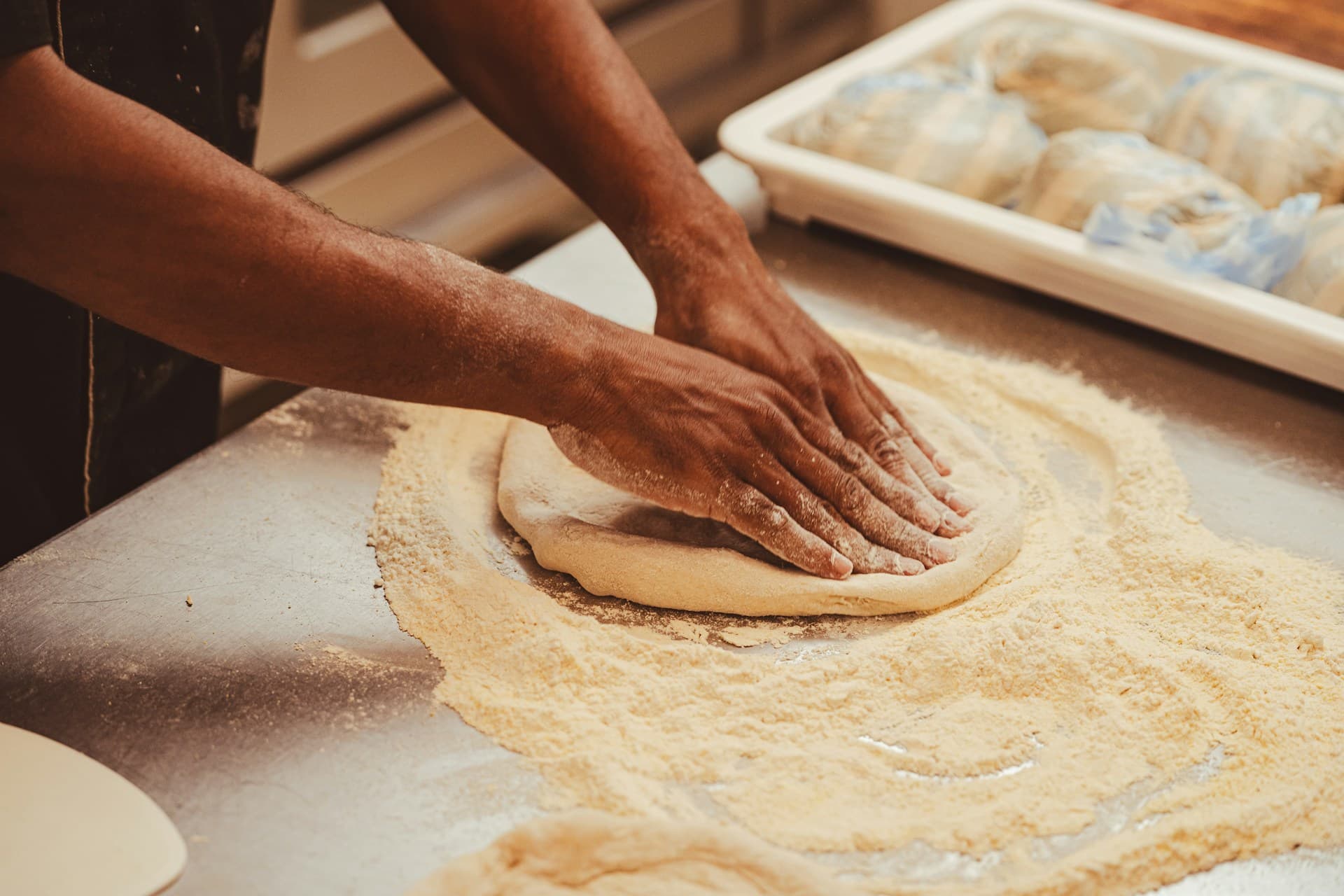
Pizzeria software
Dough batches, toppings and portioning under control, with a clear margin per pizza even when flour and mozzarella move week after week.

Hotel software
Breakfast, room service, banqueting and the bar in one back office, with costs per cover and stock shared across every outlet on site.

Bed & breakfast software
A light setup for small properties: track what breakfast really costs per guest, keep purchasing tidy and avoid last-minute runs to the shop.

Farm stay software
Handle produce you grow yourself alongside what you buy in, value it properly and keep seasonal menus costed without extra paperwork.

Campsite and resort software
Several outlets, one season and a lot of volume: keep bars, kiosks and restaurants aligned on stock, purchasing and margins from opening to close.
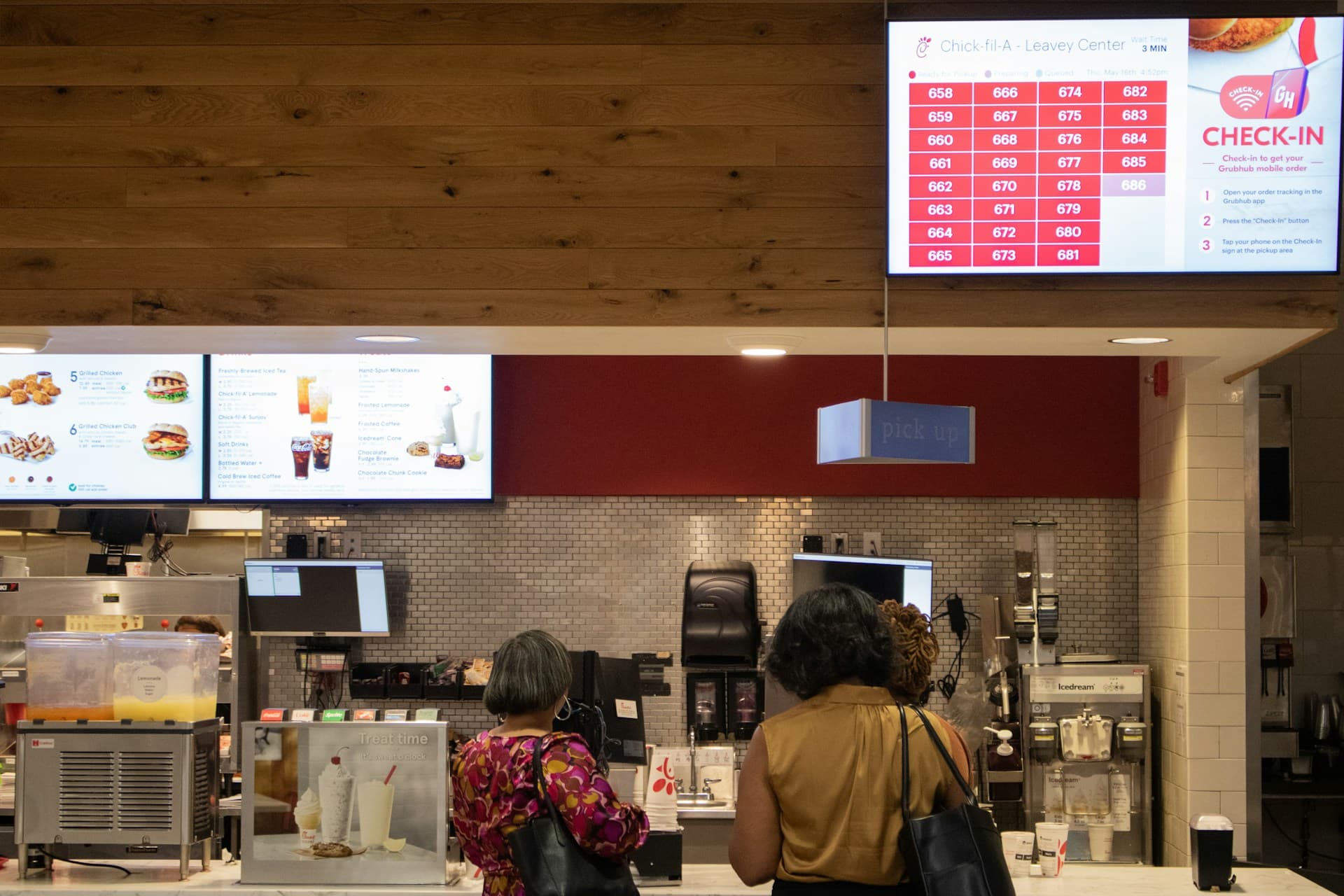
Restaurant chain software
Central standards and local reality together: share menus and specs across sites, compare performance and keep every location on the same numbers.
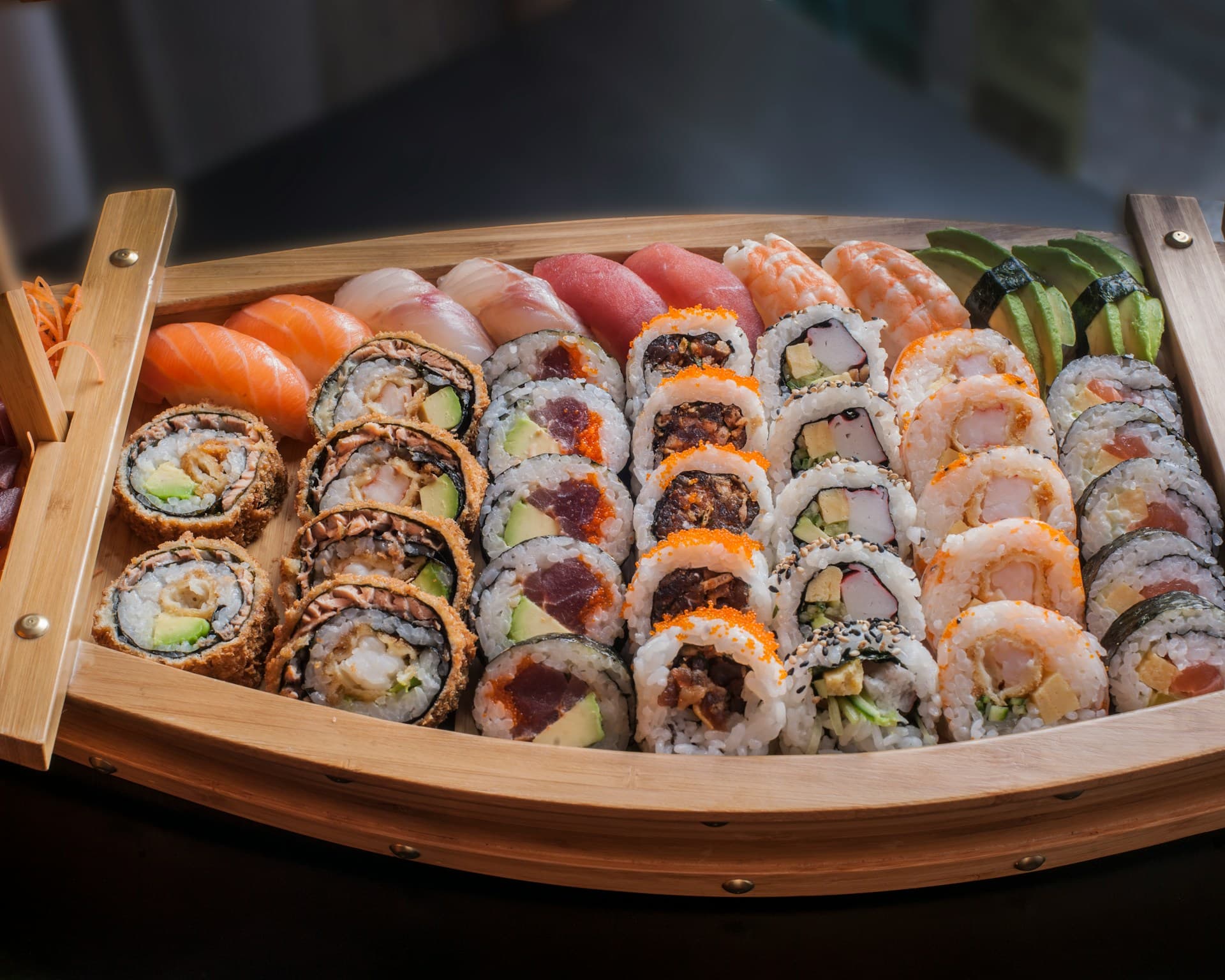
Sushi restaurant software
All-you-can-eat and à la carte need very different maths. Track yields on fish, portioning and cost per cover so the formula stays profitable.

Ghost kitchen software
Multiple delivery brands out of one kitchen: split stock, costs and margins by brand and see which menu is genuinely paying for itself.

Food truck software
Small space, tight stock and a menu that travels. Plan how much to load, check what came back and cost every service on the move.

Bar and wine bar software
Bottles, cocktails, coffee and small plates in one catalogue, with pour costs, stock on the shelf and purchasing that follows what actually sells.
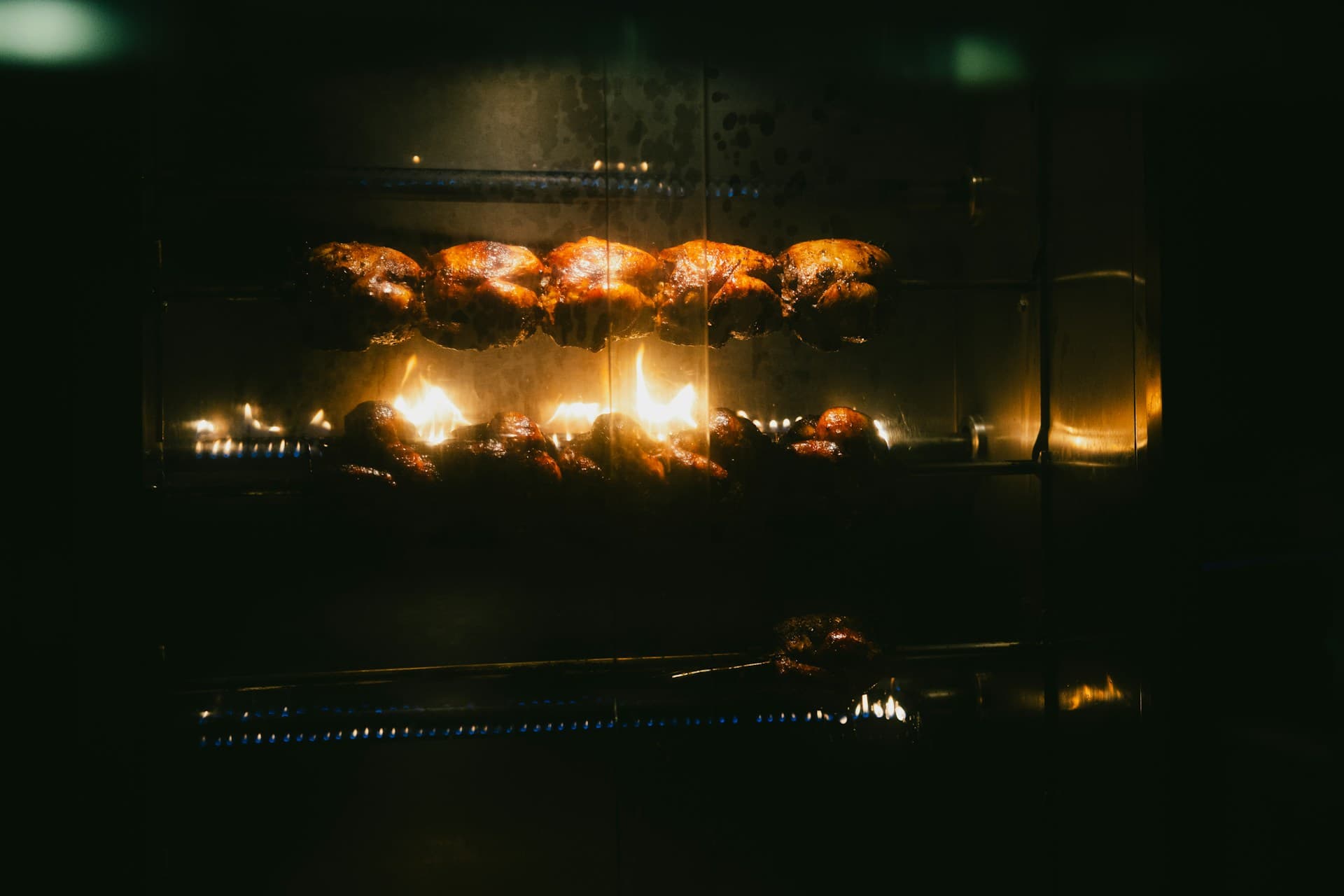
Deli and takeaway software
Trays, portions and prepared food sold by weight: cost production properly, print compliant labels and keep batches and dates under control.

Gelato and pastry software
Balanced bases, production batches and shelf life in one place, so every tub and every tray carries a cost you can actually defend.
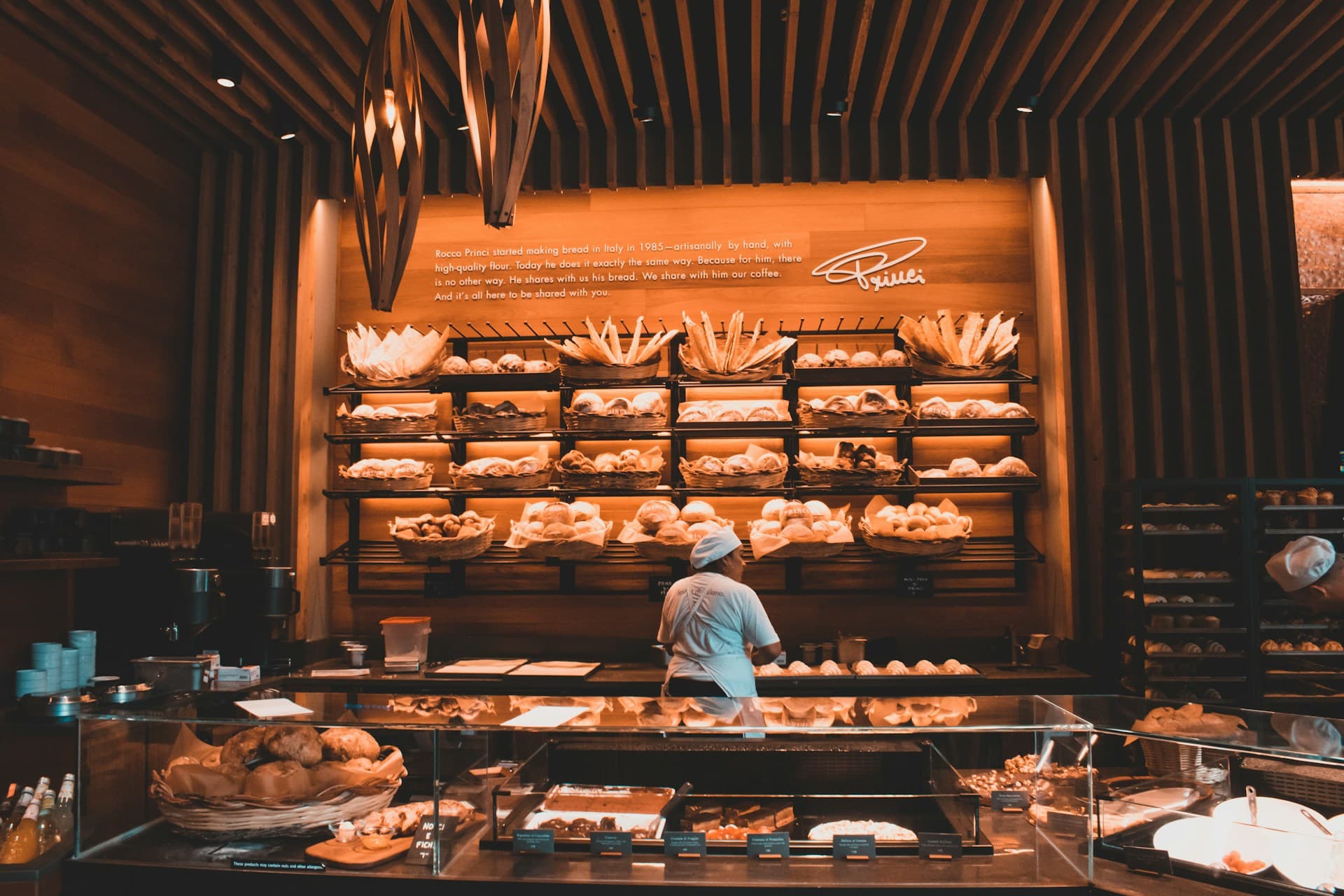
Bakery software
Flour, doughs and daily production planned around what you sell, with batch traceability, labels and a cost per loaf you can trust.
The same foundations, whatever you cook
Costing that holds up
Every dish, drink or tray carries a real cost, a margin and a suggested selling price, updated as purchase prices move.
Stock you can trust
Deliveries, production, transfers and waste all land in the same ledger, so theoretical and counted stock stay close together.
Purchasing in one flow
Build a cart across several vendors, compare the price per kilo or litre and send cleaner orders from one shared catalogue.
Menus and labelling
A QR code menu in eight languages, printable spec sheets and food labels, all built from the data you already maintain.
HACCP without paper
Rooms, equipment, temperature checks, out-of-range alerts and a history you can hand over during an inspection.
Numbers per site
Sales, purchasing, margins and stock value broken down by location, so one strong site never hides a weak one.
Find the page that fits your business
Each page walks through the setup, the daily workflow and the reports that matter for that kind of operation.
Questions about fit
How Qubi adapts to different kinds of food business, from a single site to a group of locations.
Do I need a different product for my type of business?
No. Qubi is one platform: what changes is how you set it up. Each page in this section explains the setup, the workflows and the reports that make sense for that kind of business, from a single site to a group of locations.
What if my business does not match any page exactly?
Most kitchens are a mix. A hotel with a pastry lab or a bar that also runs a small kitchen will simply use the parts of Qubi that apply. Pick the page closest to what you do, then adapt the setup as you go.
Can I run several locations from one account?
Yes. You can manage multiple sites, share products and preparations between them, keep stock separate per location and compare performance across the group from a single dashboard.
How long does it take to get started?
Most teams are running within a few days. You can import products and purchase documents from CSV files, PDFs or photos with AI, so you do not have to retype your catalogue before you see the first numbers.
Ready to see the numbers for your own kitchen?
Tell us about your business and we set up your trial in English, import what you already have and show you costs, stock and margins lined up in one place.
Get started