
The back-of-house platform for delis and takeaway counters
Daily production, yields and portioning, fast stock counts with batches and expiry dates, labels for the counter, purchasing and analytics, all in one cloud platform.
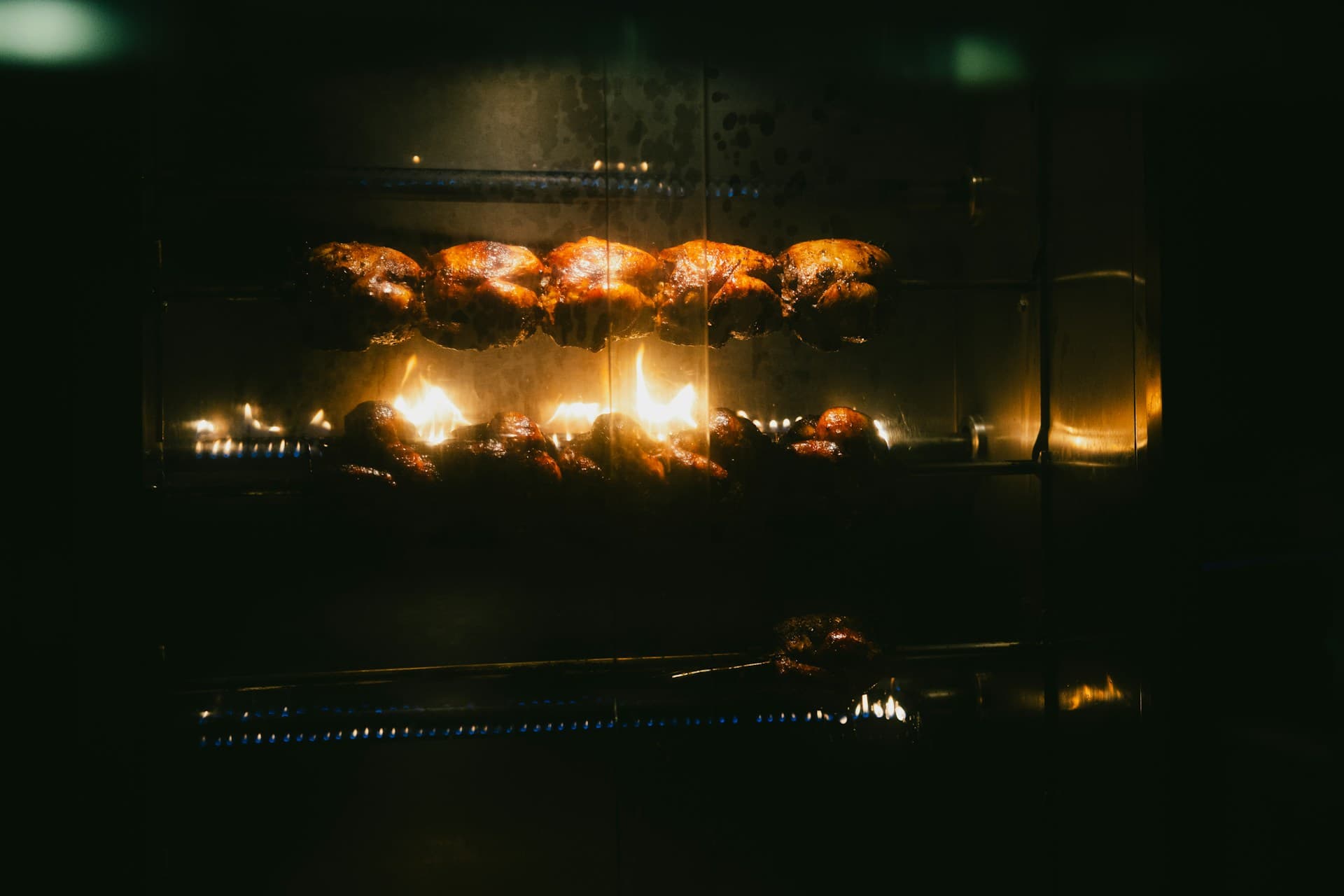
Leaner production, costs under control, stock counted in minutes
Qubi holds the kitchen, the hot counter and the takeaway side of the business together, so the prep list, the quantities available and the price list all tell the same story.
Costing works on yields, portioning and operating costs, which is the only honest way to see the margin on the trays that sell out first and on the ones that never do.
Fast counts, batches, expiry dates, purchasing and analytics by time of day help you cook closer to real demand and throw away far less at closing.
Kitchen and counter in one view
From the morning prep to the last tray sold, production, available quantities and selling prices stay in step instead of living on three different notepads.
Takeaway and ready meals
Handle fast-moving lines, portion sizes and the daily specials that change with demand, the weather and whatever came in from the market.
Waste and leftovers
See what is left at closing, what is close to its date and which lines keep producing more than the counter can actually sell.
Specs, prep lists and the counter plan for the day
Define prepared dishes and their variants, then update portions, yields and prices centrally so the kitchen knows what to cook and the counter knows what it is selling.
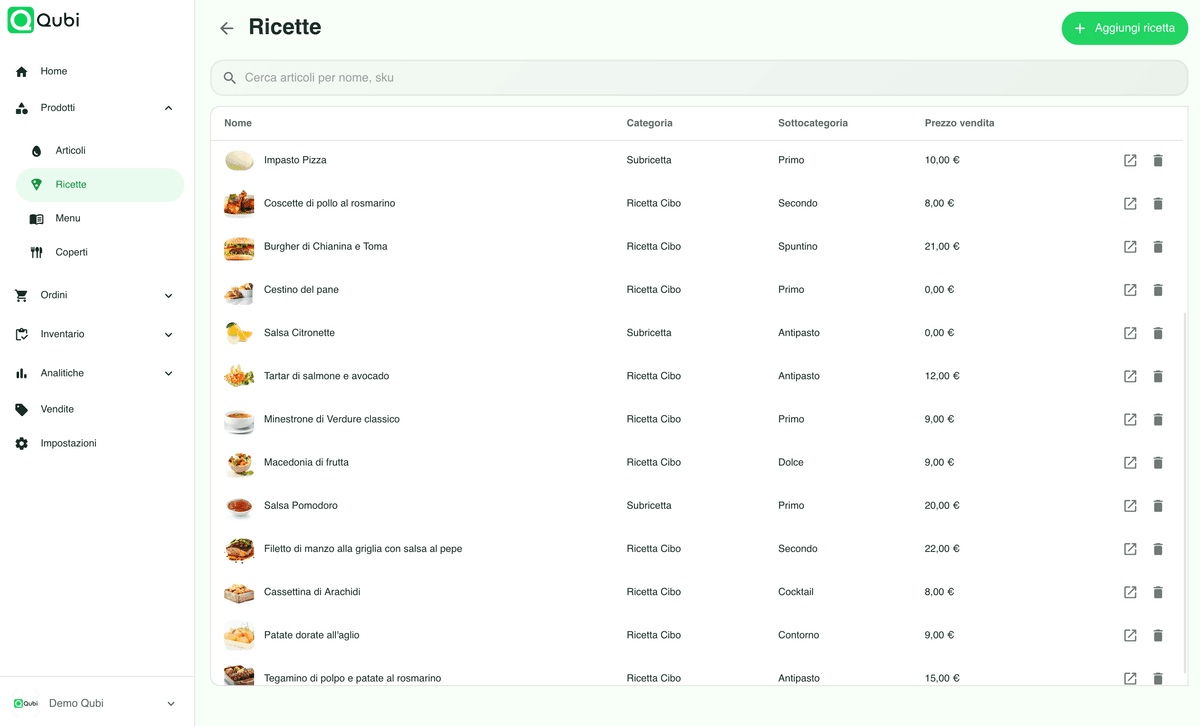
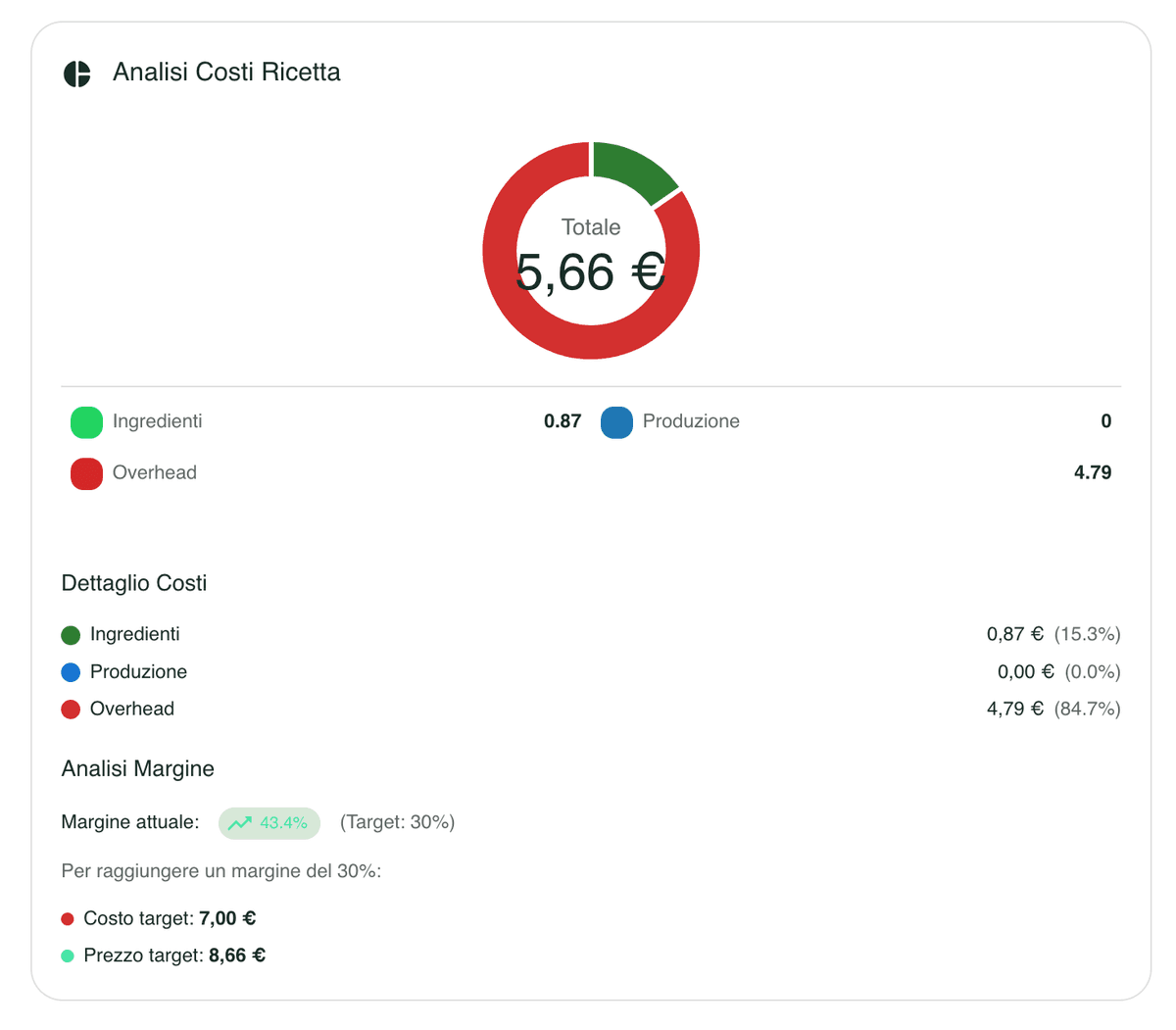
Real margins once cooking loss and portions are counted
Work out yields and portion sizes for every transformation, add direct and operating costs, and get a selling price that holds up on a tray sold by weight.
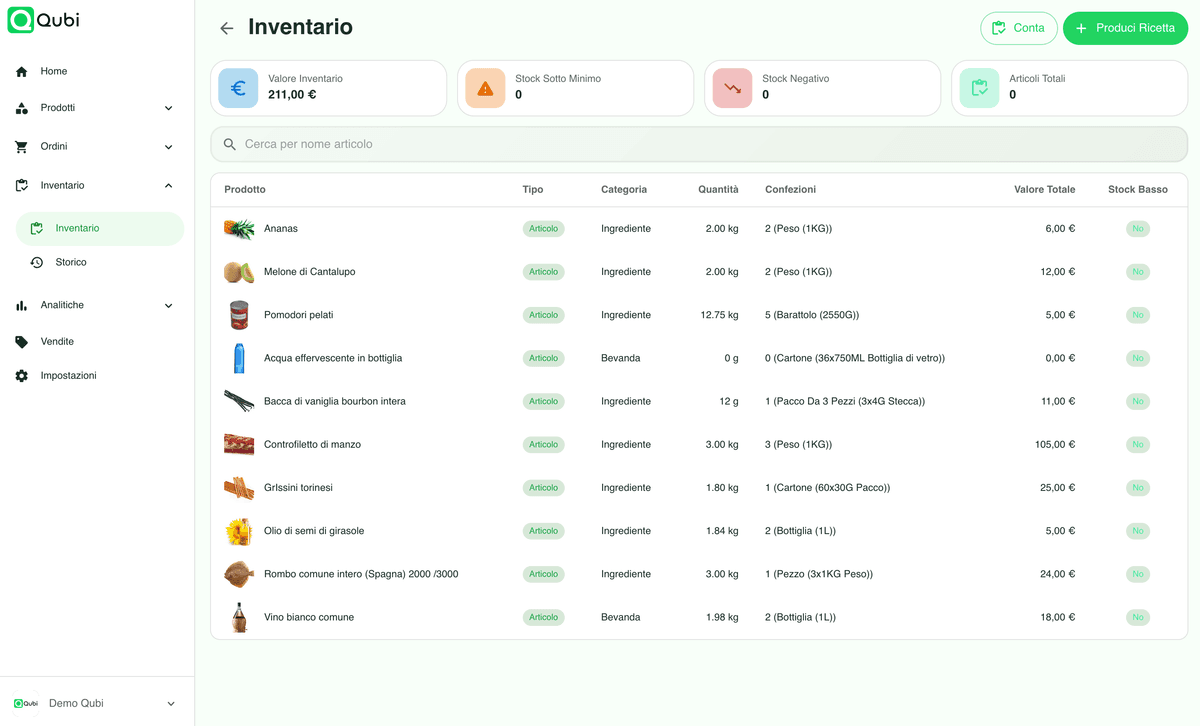
Batches, expiry dates and movements you can count quickly
Hold stock by batch with expiry dates and FIFO consumption, record movements and waste, and run physical counts fast enough to do them on a normal working day.
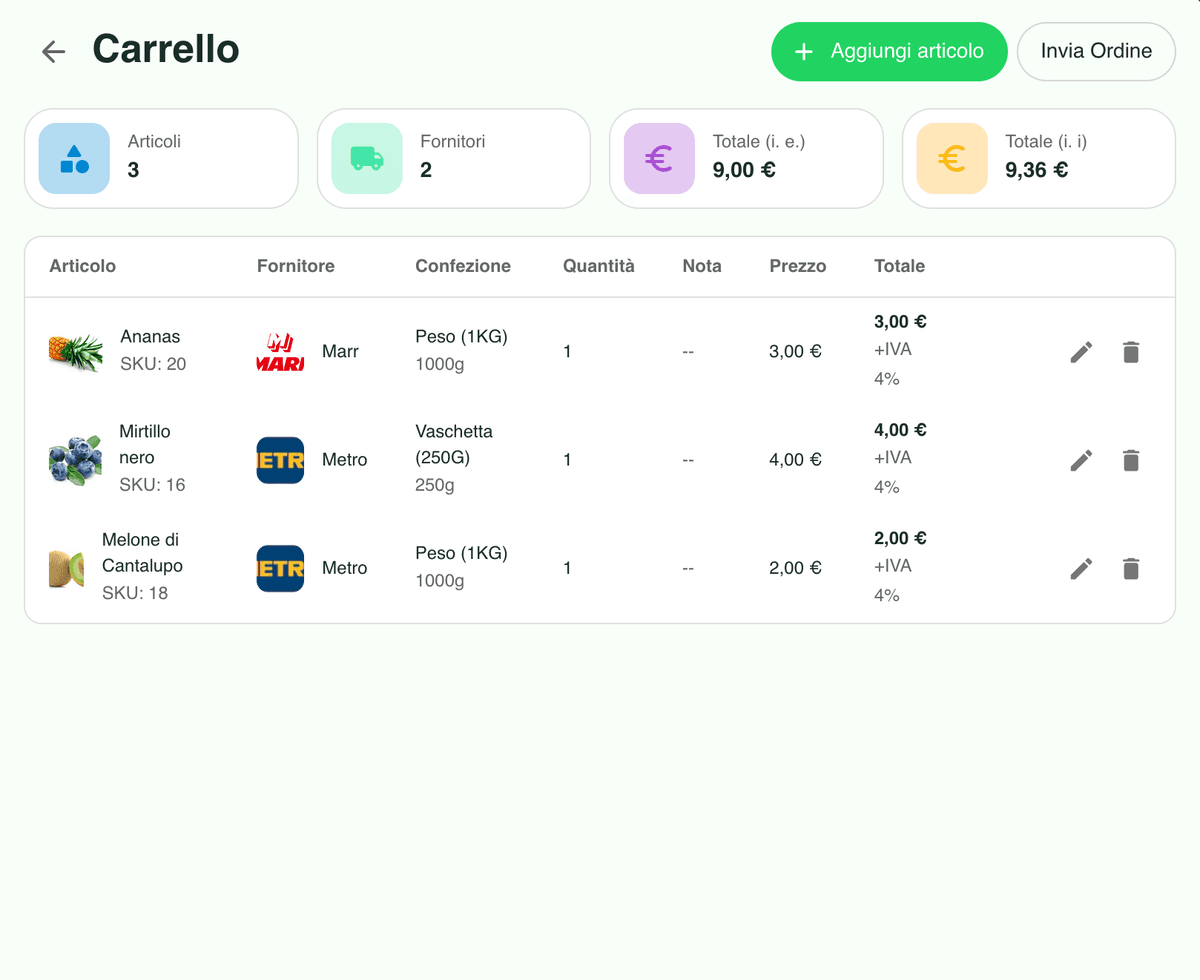
Carts, price comparison and orders sent by email
Compare prices and terms across your wholesalers, build a cart in a few taps and send the purchase order by email with the full delivery details.
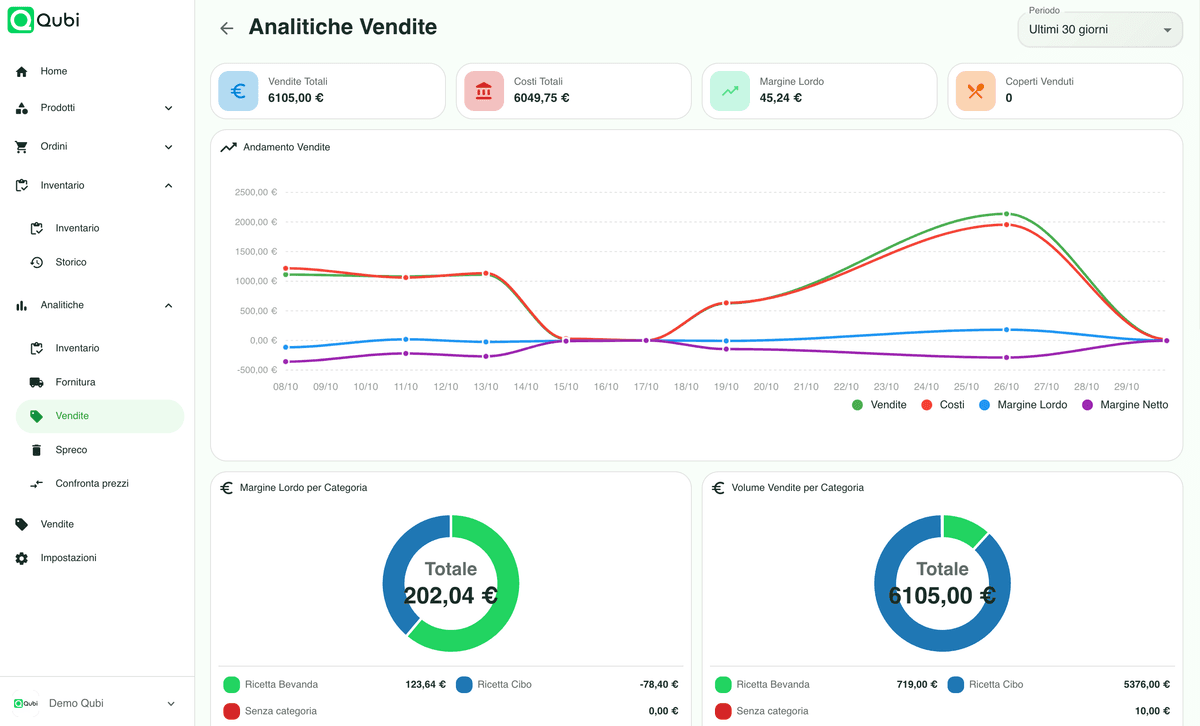
Sales and margins by category, counter and time of day
Dashboards and reports show what sells and what earns, broken down by category, counter and time slot, with the trends you need to plan production and promotions.
Why delis and takeaway counters choose Qubi
A cloud platform coordinates production, counter and stock, which removes manual steps and the errors that creep in on the busiest days of the week.
Yields, costing and purchasing become readable, so the fast-moving lines can be planned rather than improvised every morning.
Analytics by category, counter and time slot show what to prepare, what to cut back and where the margin can realistically be improved.
Deli and takeaway software FAQ
Practical answers about daily production, yields, batches and expiry dates, labels, purchasing and analytics.
Can I manage specs and variants for the daily production plan?
Yes. Dishes, prepared foods and variants each have their own build, portion size and price, updated centrally so the kitchen and the counter always work from the same version.
Does the system account for yields and portioning?
Yes. Cooking loss, trimming and portioning feed into the cost, together with direct and operating costs, so the margin on a tray of roast chicken reflects what actually leaves the oven.
Can I track batches and expiry dates?
Yes. Stock is held by batch with expiry dates and FIFO consumption, which keeps counts accurate, makes traceability straightforward and cuts down on food thrown away at the end of the day.
Can I print labels for the trays on the counter?
Yes. Labels can carry the product name, the batch, the date and the ingredient and allergen information required for prepacked food, so the counter stays compliant without handwriting anything.
How does purchasing work?
You compare prices and terms across your wholesalers, build a cart and send the purchase order by email with full delivery details, so a busy Saturday does not start with a missing crate.
Are there analytics by time of day?
Yes. Dashboards and reports show sales and margins by category, by counter and by time slot, with trends that make it easier to plan production and promotions week by week.