
Cloud software for bed and breakfasts
Cost the breakfast you serve, keep the pantry under control and order from suppliers without a shoebox of receipts. Qubi is built for small properties where the same person books the rooms and buys the bread.

Small property, real numbers
In a guesthouse the food bill looks small until you divide it by the number of covers you served. Then it turns out that breakfast is one of the few costs you can genuinely influence.
Qubi keeps the products you buy, what they cost, the portions you serve and what is left in the cupboard, and turns all of it into a cost per guest you can check every month.
It is deliberately light. You can run the whole thing from a phone between check-out and check-in, and it does not ask you to become an accountant to get a useful answer.
What a bed and breakfast gets out of Qubi
The breakfast you actually serve
Write down what goes on the table, from the cake you bake to the jam, the cured meats and the coffee, and keep it consistent whoever is on duty.
A real cost per guest
Qubi turns products, portions and pack sizes into a cost per cover, so you know what breakfast takes out of the room rate before you set next season's price.
A pantry that does not run out
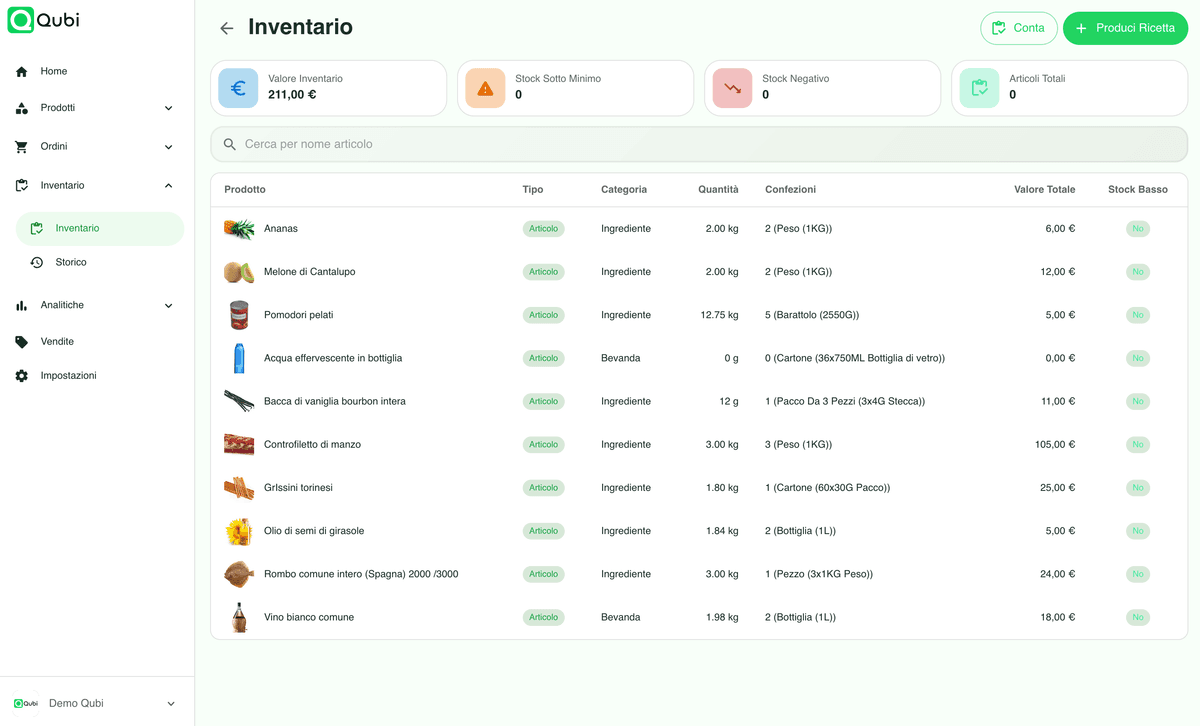
Track what is in the store cupboard and the fridge, watch expiry dates and build the next order from what is genuinely low rather than from memory.
Write the breakfast down once, serve it the same way
Cakes, pastries, egg dishes, cold cuts, fruit and the coffee station can all be written down with quantities, yields and photos. When a friend or a seasonal helper covers the morning shift, the table still looks the way your guests expect.
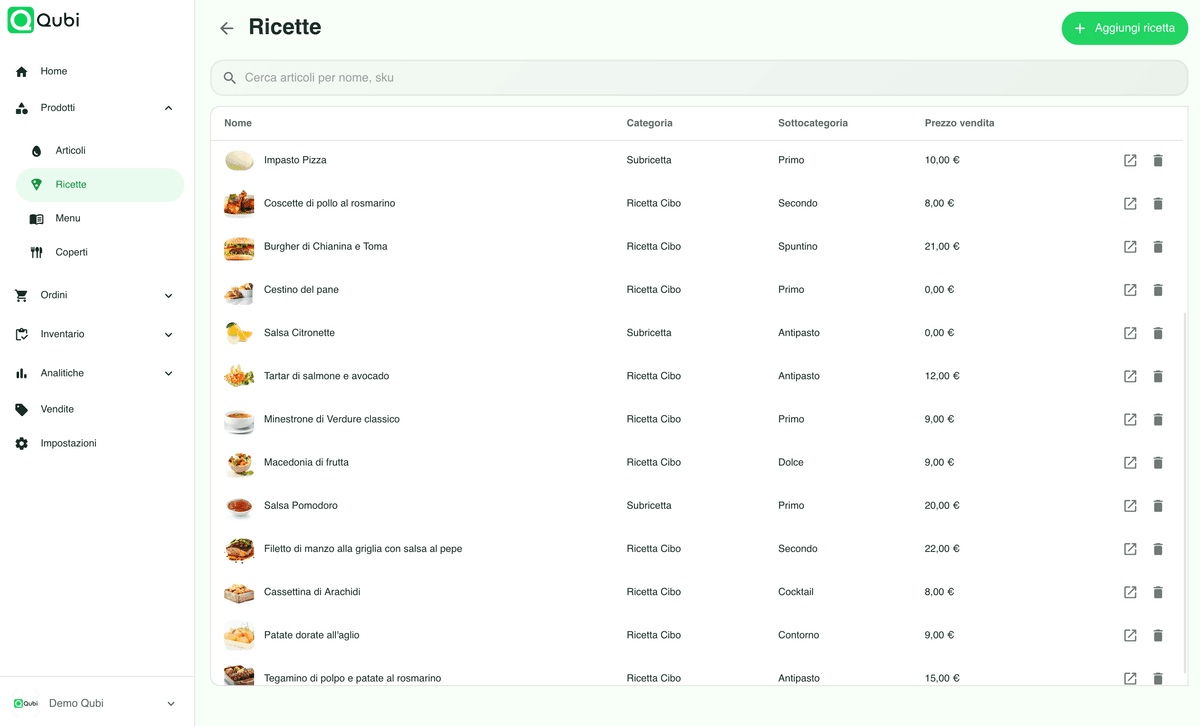
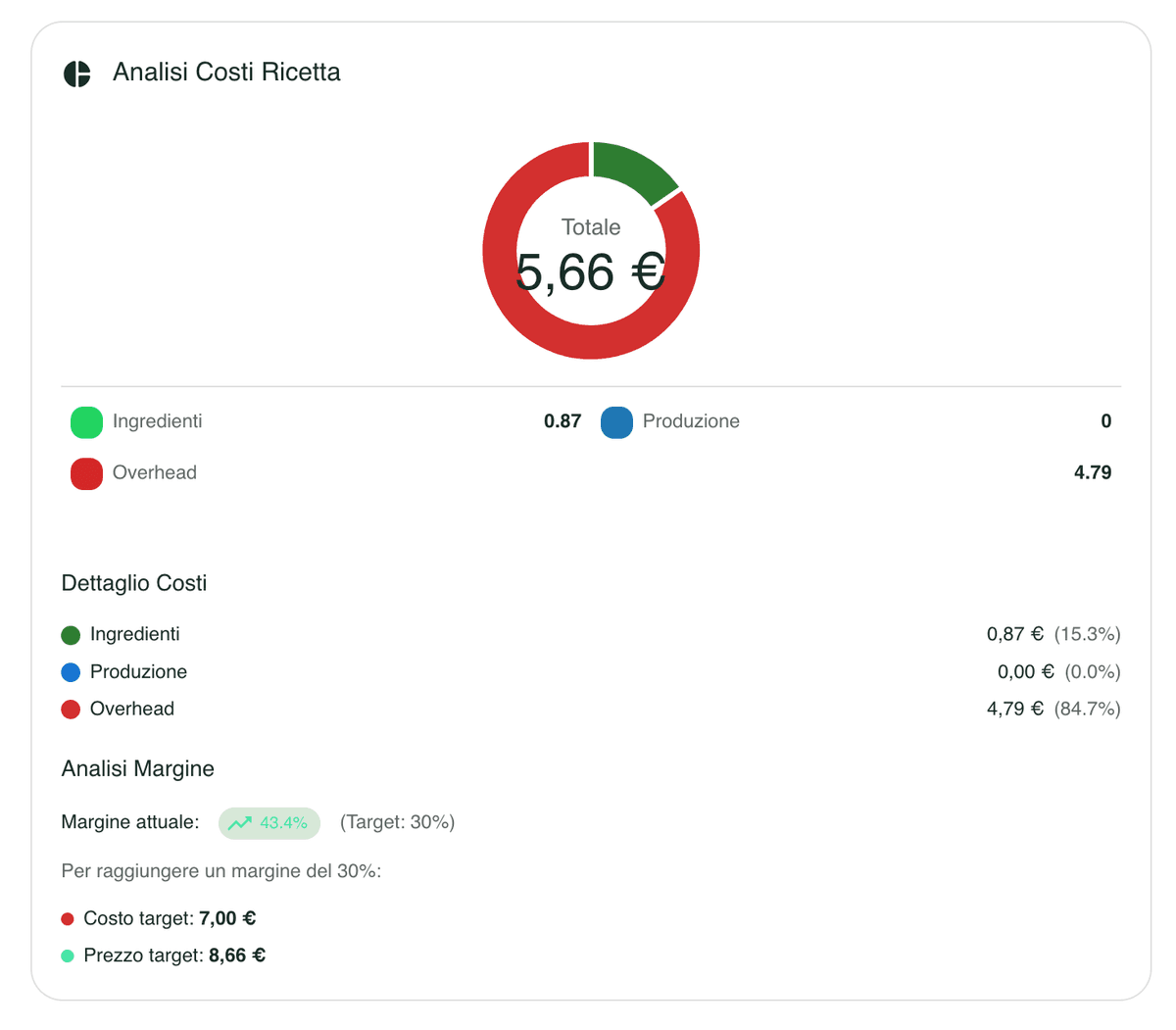
Know what breakfast takes out of the room rate
Direct costs, portions and yields combine into a full cost per cover, and you can add the small operating costs that never make it into a spreadsheet. It is the number you need before you set a nightly rate or add an extra item to the buffet.
Stock, batches and expiry dates without a paper list
Record deliveries, count the cupboard when it suits you and log what gets thrown away. Batch and expiry tracking is particularly useful at low volumes, where a pack can sit for weeks between busy weekends.
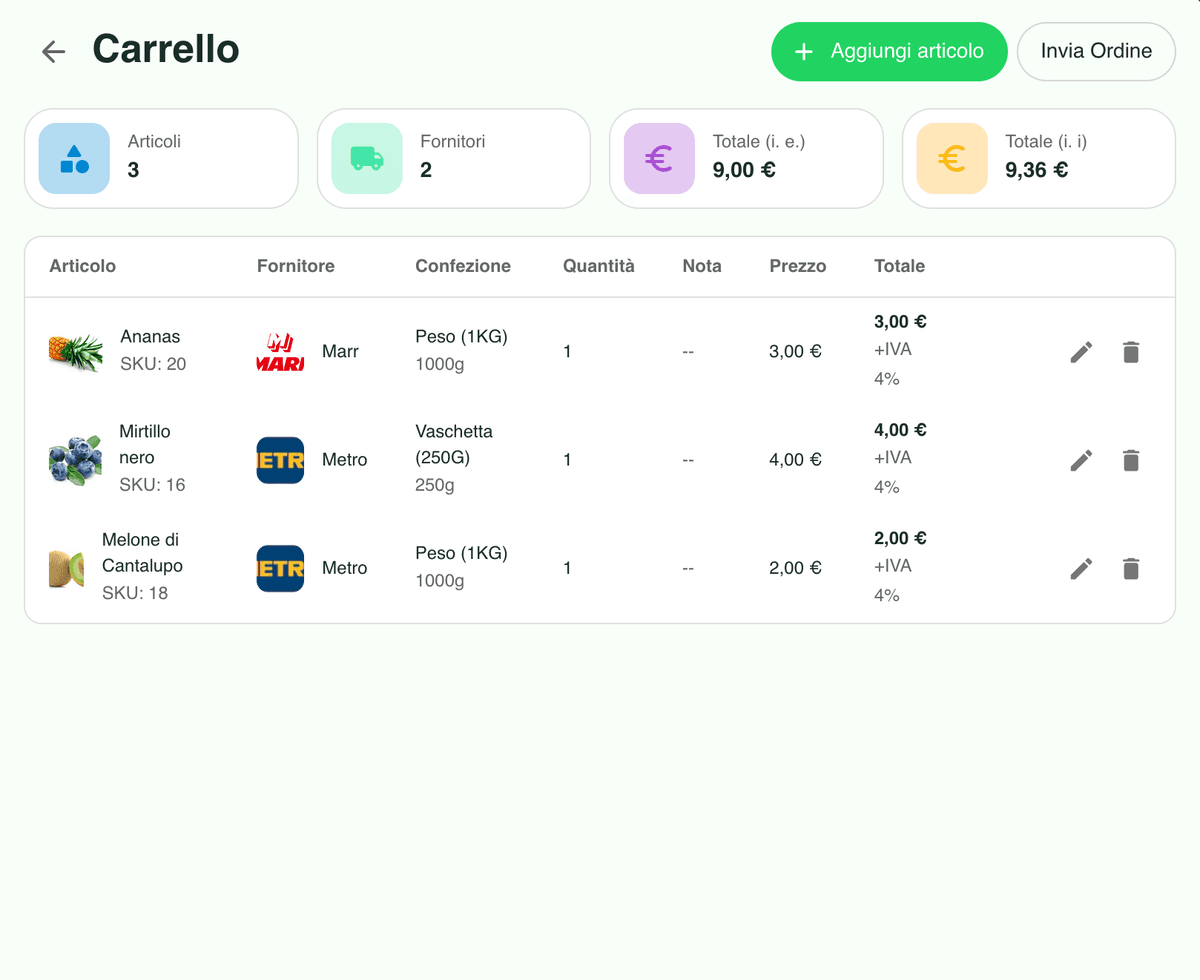
Compare what you pay and send a tidy order
Line up the same product across suppliers, compare the price per kilo or litre and build a cart you can send by email with the delivery details. Over a season, the order history shows exactly which prices crept up on you.
A monthly picture that takes five minutes to read
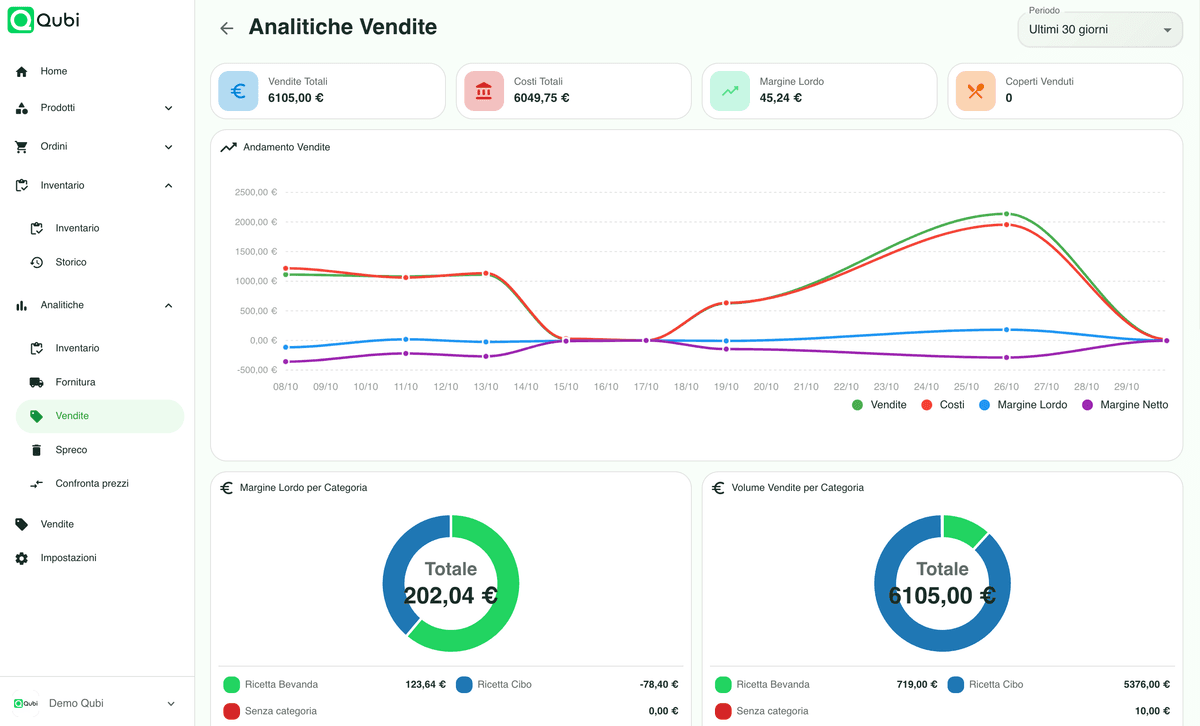
Purchases, consumption, waste and stock value by period, so you can compare a full August against a quiet March. When occupancy changes, you can see whether the food bill followed it or drifted on its own.
Why guesthouse owners stop using spreadsheets
A spreadsheet is fine until prices move. Qubi updates the cost of everything you serve the moment a supplier price changes, which is when the old file usually goes stale.
Waste at a small property is easy to underestimate. Logging it with a reason takes seconds and turns a vague feeling into a figure you can act on.
When you eventually hand the mornings to someone else, everything they need is written down: what to prepare, how much, and what to reorder.
Bed and breakfast software FAQ
Practical answers about breakfast costing, pantry stock, expiry dates and supplier orders.
Is Qubi not too heavy for a small guesthouse?
No. You can start with one thing: the breakfast, the products you buy and their prices. Stock counts, waste logging and reporting are there when you want them, but nothing forces you to switch everything on at once.
How do I work out what breakfast costs per guest?
You record the items you serve with their pack sizes and prices, set the portions you actually put out, and Qubi returns a cost per cover. Change a supplier price and the figure updates, so the number stays honest through the season.
Can I keep track of expiry dates?
Yes. Products can be tracked by batch with an expiry date, and you get a warning before something has to be thrown away, which matters when volumes are small and stock sits for a while.
Do I have to type in every supplier price by hand?
No. You can import price lists from a CSV file, or take a photo of a delivery note or upload a PDF and let the AI import read the lines and match them to products you already have.
Does it help with HACCP paperwork?
Yes. Fridges and freezers can be set up with their own temperature ranges, checks are logged in a few taps from a phone, and the history keeps who checked what and when, ready for an inspection.